
Why You Should Be Crazy for Cranberries

Cranberries: A Tart Superfruit for Year-Round Wellness
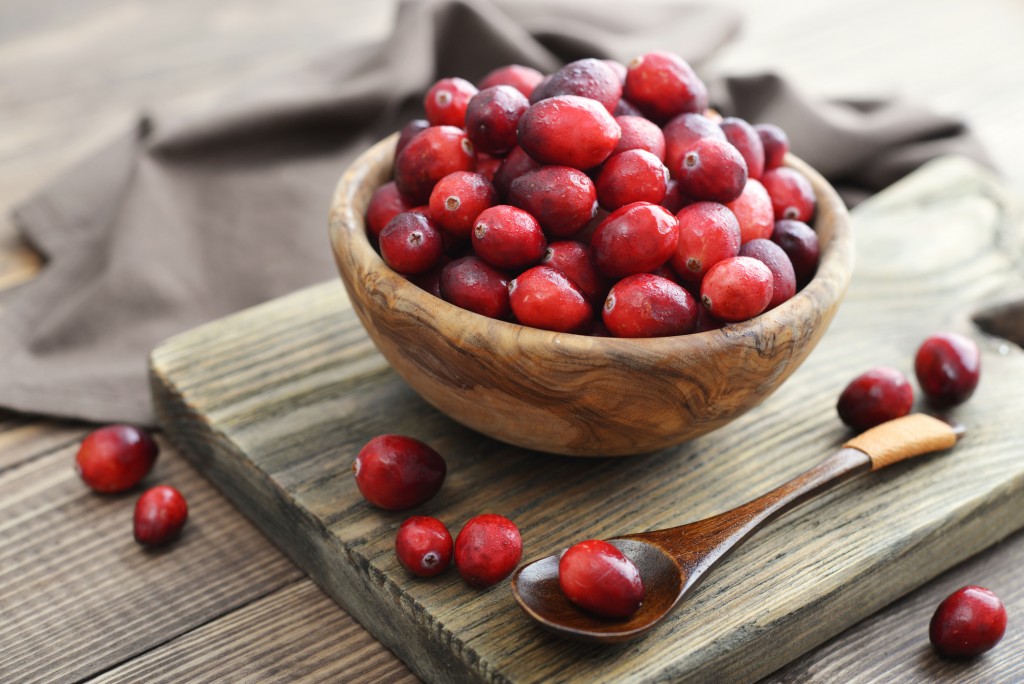
Cranberries aren’t just for Thanksgiving anymore. These vibrant red berries have been used for centuries—not just in cooking, but also in traditional medicine. Known for their tart taste, cranberries are often loaded with sugar in sauces, desserts, or drinks. But when consumed in their purest form, they’re packed with nutrients and health-promoting compounds.
Why Cranberries Are a Nutritional Powerhouse
Cranberries are rich in vitamin C and loaded with antioxidant compounds like anthocyanins, flavonols, and resveratrol. These help reduce inflammation and oxidative stress throughout the body, which is linked to aging and chronic disease.
Medicinally, cranberry has been used for:
-
Urinary tract infections (UTIs)
-
Kidney stones
-
 Type 2 diabetes
 -
Chronic fatigue syndrome
-
Benign prostatic hyperplasia (BPH)
-
The common cold and influenza
-
Coronary artery disease
-
Supporting memory and cognition
-
Diuretic effects
-
Anti-cancer properties
What the Latest Research Says
The most well-supported medical use of cranberry remains the prevention of urinary tract infections, particularly in women prone to recurring infections. A major 2023 Cochrane review confirmed that cranberry supplements, especially those standardized for proanthocyanidins (PACs), can reduce UTI recurrence significantly in women, children, and other high-risk groups.
Beyond UTIs, newer studies suggest potential benefits for inflammation and cognitive support:
-
A 2024 clinical trial published in Journal of Medicinal Food found that cranberry extract reduced inflammation markers like C-reactive protein (CRP) in adults with metabolic syndrome. This suggests possible cardiovascular support and anti-inflammatory effects.
-
A 2023 pilot study in Frontiers in Nutrition observed small improvements in working memory and attention in older adults after 12 weeks of cranberry extract supplementation.
While these findings are promising, more large-scale research is needed to confirm benefits beyond UTI prevention.
 Safe to Eat, but Caution with Supplements
Cranberries are generally recognized as safe (GRAS) when eaten as food—think fresh berries, smoothies, or pure juice. Avoid sugar-laden cranberry “cocktails” if you’re seeking health benefits; these are often diluted and sweetened.
If you’re considering cranberry supplements, keep the following in mind:
-
Kidney stones: Cranberries are high in oxalates, which may contribute to stone formation.
-
Aspirin sensitivity: Cranberries naturally contain salicylic acid, similar to aspirin.
-
Cholesterol medications: Cranberry can potentially interact with statins—consult your healthcare provider before starting supplements.
How to Use Cranberries Every Day
Don’t wait for the holidays to enjoy cranberries. Add them to smoothies, toss dried (unsweetened) cranberries into salads, or try a small glass of unsweetened cranberry juice. If you’re managing recurrent UTIs or exploring medicinal uses, high-quality cranberry supplements may be helpful—with your doctor’s guidance.
Recent Studies on Cranberry Benefits
-
UTIs: Cochrane Review (2023) – Cranberry supplements shown to reduce UTI recurrence.
-
Inflammation: Journal of Medicinal Food (2024) – Cranberry extract lowered inflammation markers in people with metabolic syndrome. (Full link pending)
-
Cognition: Frontiers in Nutrition (2023) – Older adults saw improvements in memory and attention after cranberry extract use.