
• It’s a Cookbook
    It’s a Philosophy
    It’s a Resource
logologologologo
  • FoodTrients 101
  • News
      • Age Gracefully with Grace O
      • Ginger Hultin, Nutrition
      • Mark Rosenberg, MD
      • Robert Tostado, MD
      • Anti-Aging
      • Beauty
      • Food
      • Health
      • Exercise
      • Celiac
      • Life Extension
      • Books We Love
      • FoodTrients Guides
      • Newsletter
      • woman doing yogaSecrets of the Lymphatic System
      • Fresh-RosemaryRosemary Improves Memory and Cognition
      • fish on slateAnti-Inflammatory Foods: the Top 10
      • capsule full of good foodAre Supplements Safe for You?
  • Recipes
    • SEARCH BY:

      • Category:

      • Starters
      • Soups
      • Salads
      • Main Dishes
      • Sides
      • Desserts
      • Drinks
      • Extras
      • Spice Mixes
      • All Recipes
      • Or Search By:

      • Anti-inflammatory
      • Antioxidant
      • Beauty
      • Detox
      • Disease Prevention
      • Gut Health
      • Immunity Booster
      • Mind
      • Strength
      • exotic fruit and granolaExotic Fruit Salad with Granola
      • buffalo meat slidersTry Buffalo Sliders with Sweetened Cranberries
      • Green Tea NoodlesHeart-Healthy Green Tea Noodles Ramp Up the Flavor
      • chocolate mousseIt’s a Melt-in-Your-Mouth Chocolate Mousse 
  • Resources
  • About
  • Shop
  • Media
  • Home Page
  • News
    • Age Gracefully
    • Anti-Aging
    • Beauty
    • Food
    • Ginger Hultin, MS RDN CSO
    • Health
    • Newsletter
  • Recipes
    • Starters
    • Soups
    • Salads
    • Main Dishes
    • Sides
    • Desserts
    • Drinks
    • Extras
    • Spice Mixes
  • Resources
    • Anti-Aging Resources
    • Health
    • Eating Well
    • Books We Love
  • About
    • About Grace O
    • Experts and Advisors
    • Contact Us
    • Facebook
    • Instagram
    • YouTube
    • Pinterest
  • Shop
  • Media
    • In the Media
    • Press Releases
    • Videos
            No results See all results
            ✕
                      No results See all results

                      ‘Late-Life’ Genes Activated by Biological Clock
                      Published by Life Extension

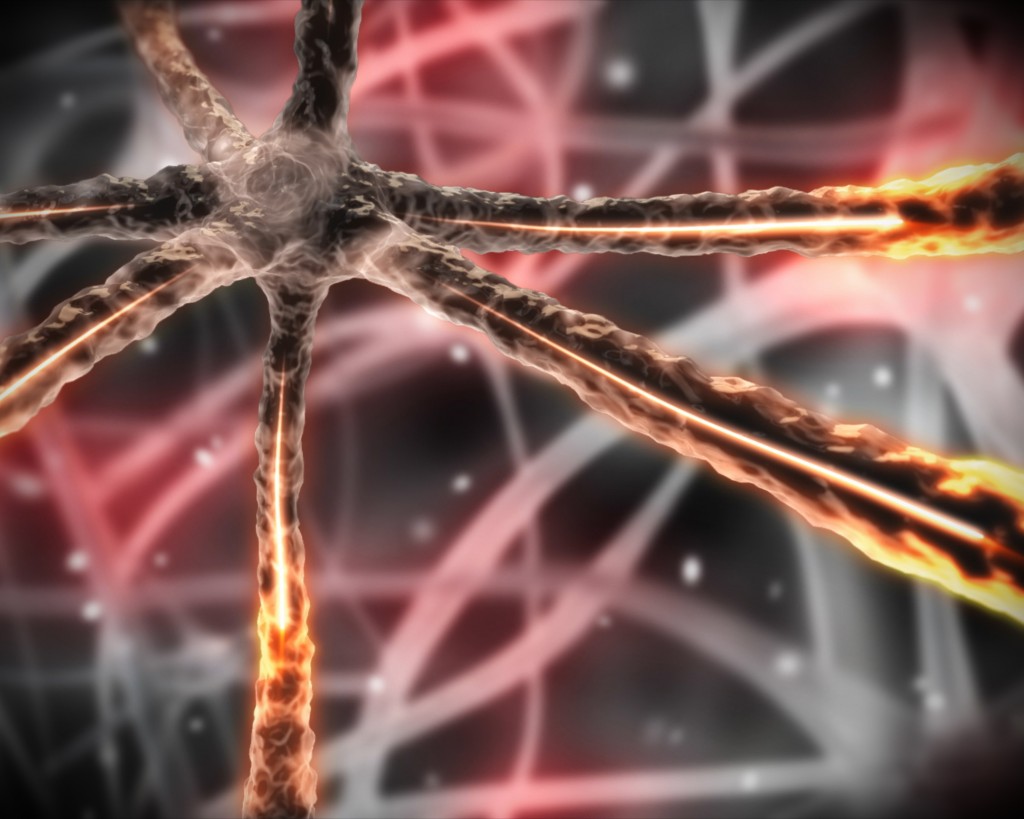
                      Orange microscopic nervous system

                      Researchers at Oregon State University have discovered that a subset of genes involved in daily circadian rhythms, or the “biological clock,” only become active late in life or during periods of intense stress when they are most needed to help protect critical life functions.

                      The findings, made in research done with fruit flies and published today in Nature Communications, are part of a unique stress response mechanism that was previously unknown.

                      These genes may help to combat serious stresses associated with age, disease or environmental challenges, and help explain why aging is often accelerated when the biological clock is disrupted.

                      This group of genes, whose rhythmic activity late in life had not previously been understood, were named “late-life cyclers,” or LLCs, by former OSU graduate student and lead author of the study, Rachael Kuintzle. At least 25 such genes become rhythmic with age, and the function of some of them remains unclear.

                      “This class of LLC genes appear to become active and respond to some of the stresses most common in aging, such as cellular and molecular damage, oxidative stress, or even some disease states,” said Jadwiga Giebultowicz, a professor in the OSU College of Science, co-senior author on the study and international expert on the mechanisms and function of the biological clock.

                      “Aging is associated with neural degeneration, loss of memory and other problems, which are exacerbated if clock function is experimentally disrupted. The LLC genes are part of the natural response to that, and do what they can to help protect the nervous system.”

                      The increased, rhythmic expression of these genes during times of stress, scientists said, are another example of just how biologically important circadian rhythms are, as they help to regulate the activity of hundreds of genes essential to the processes of life. And as aging brings with it a host of new problems, the LLC genes become more and more active.

                      According to David Hendrix, an assistant professor in the OSU College of Science and College of Engineering, and co-senior author on the study, some LLC genes are known to play roles in sequestering improperly “folded” proteins or helping them refold. This could help prevent formation of protein aggregates that can lead to age-related neurodegeneration.

                      “Discovery of LLC genes may provide a missing link, the answer to why the disruption of circadian clocks accelerates aging symptoms,” Hendrix said.

                      The study also showed that intense stress at any point in life can cause some of the LLC genes to spring into action.

                      “In experiments where we created artificial oxidative stress in young fruit flies, the LLC genes were rhythmically activated,” said Eileen Chow, an OSU faculty research assistant and co-author. “Some of these same genes are known to be more active in people who have cancer. They appear to be a double-edged sword, necessary during times of stress but possibly harmful if activated all the time.”

                      Circadian rhythms, which are natural to an organism but synchronized by the light/dark cycle of a 24-hour day, are so important to life that the same genes controlling biological processes have been traced from fruit flies to humans, retained through millions of years of evolution.

                      These genes are found throughout the nervous system and peripheral organs, and affect everything from sleep to stress reaction, feeding patterns, DNA repair, fertility and even the effectiveness of medications.

                      People with routine disruptions of their circadian rhythms and sleep patterns have been found to have a shorter lifespan and be more prone to cancer.

                      This research was supported by the National Institutes of Health.
                      Share
                      Life Extension
                      Life Extension
                      LIFE EXTENSION The Life Extension Health News team delivers accurate information about vitamins, nutrition and aging. Our stories rely on multiple, authoritative sources and experts. We keep our content accurate and trustworthy, by submitting it to a medical reviewer. Life Extensionists are people who believe in taking advantage of documented scientific therapies to help maintain optimal health and slow aging. The medical literature contains thousands of references on the use of antioxidant vitamins, weight loss supplements, and hormones that have been shown to improve the quality and quantity of life. Life Extensionists attempt to take advantage of this scientific information to enhance their changes of living longer in good health. This article is posted by permission of Life Extension. https://www.lifeextension.com/

                      Sign Up to get our
                      NEWSLETTER FREE


                      By submitting this form, you are consenting to receive marketing emails from: . You can revoke your consent to receive emails at any time by using the SafeUnsubscribe® link, found at the bottom of every email. Emails are serviced by Constant Contact

                      ABOUT

                      • Grace O
                      • Our Experts
                      • FoodTrients
                      • Board of Advisors
                      • FAQs

                      EXPLORE

                      • Age Gracefully by Grace O
                      • News
                      • Recipes
                      • Our Guides
                      • Resources
                      • Shop
                      • Media

                      CONNECT

                      • Contact Us
                      • Subscribe
                      • Facebook
                      • Pinterest
                      • Instagram
                      • Twitter
                      • YouTube

                      SIGN UP for our NEWSLETTER

                      Nourish your week! Get the latest wellness news and delicious recipes to help you age better.


                      By submitting this form, you are consenting to receive marketing emails from: . You can revoke your consent to receive emails at any time by using the SafeUnsubscribe® link, found at the bottom of every email. Emails are serviced by Constant Contact

                      FoodTrients Trademark™ and copyright © 2011-2024 Triple G Enterprises. I Terms and Conditions I Privacy

                      This website is for informational and entertainment purposes only and is not a substitute for medical advice, diagnosis or treatment. FoodTrients – A Recipe for Aging Beautifully Grace O, author and creator of FoodTrients® -- a philosophy, a cookbook and a resource -- has a new cookbook dedicated to age-defying and delicious recipes, The Age Beautifully Cookbook: Easy and Exotic Longevity Secrets from Around the World, which provides one hundred-plus recipes that promote health and well-being. The recipes are built on foundations of modern scientific research and ancient knowledge of medicinal herbs and natural ingredients from around the world. Since the publication of her first anti-aging book, The Age GRACEfully Cookbook, Grace O has identified eight categories of FoodTrients benefits (Anti-inflammatory, Antioxidant, Immune Booster, Disease Prevention, Beauty, Strength, Mind, and Weight Loss) that are essential to fighting aging, which show how specific foods, herbs, and spices in the recipes help keep skin looking younger, prevent the diseases of aging, and increase energy and vitality. Grace O combines more exotic ingredients that add age-fighting benefits to familiar recipe favorites.

                                No results See all results