
Lowering Cortisol Naturally: What You Need to Know (and What to Eat)
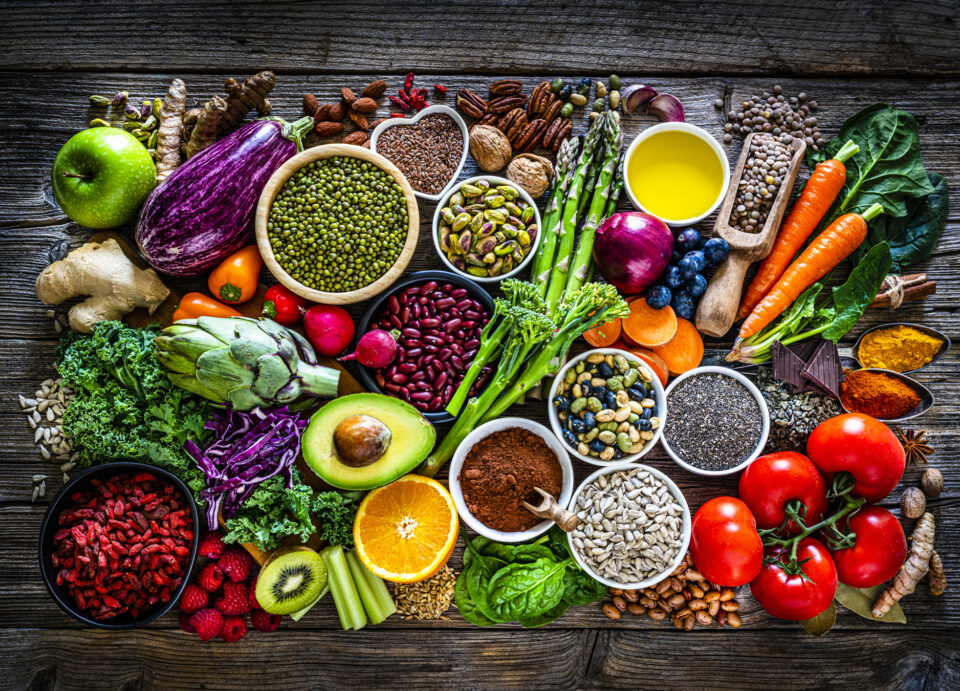
There are so many things in life that elevate stress—work, family, children, and the day-to-day responsibilities we all carry. Over time, especially as we age, that constant pressure can take a real toll on the body. That’s one of the reasons it’s so important to nourish ourselves with foods that help manage daily stress and support overall well-being.
We all experience stress, but when it becomes constant, the body begins to feel the effects. Cortisol—often called the stress hormone—plays an important role in keeping us alert and energized. The challenge comes when it stays elevated for too long. That’s when it can disrupt sleep, contribute to stubborn belly fat, weaken immunity, and even accelerate the aging process.
The good news is that what we eat every day can either fuel that stress response—or help calm it—reminding us that food is one of the most powerful tools we have to support the body and age more gracefully.
 What Cortisol Actually Does
Cortisol is produced by your adrenal glands and follows a natural rhythm—higher in the morning to wake you up, and lower at night to help you wind down.
But when stress becomes constant (work pressure, poor sleep, blood sugar swings), cortisol stays elevated longer than it should. Over time, this can lead to:
- Increased abdominal fat storage
- Blood sugar imbalance and cravings
- Sleep disruption
- Brain fog and fatigue
- Accelerated cellular aging
Food plays a surprisingly powerful role in either stabilizing or worsening this cycle.
 The Cortisol–Blood Sugar Connection
One of the fastest ways to spike cortisol is through unstable blood sugar.
When you skip meals or eat too many refined carbs, your body perceives it as stress. Cortisol rises to help release stored glucose for energy. That’s helpful in emergencies—but not when it happens daily.
Bottom line: balanced meals = more stable cortisol.
 Foods That Help Lower Cortisol
1. Magnesium-Rich Foods (Nature’s Calm Mineral)
Top choices:
- Spinach and Swiss chard
- Pumpkin seeds
- Avocado
- Dark chocolate (70%+ cacao)
2. 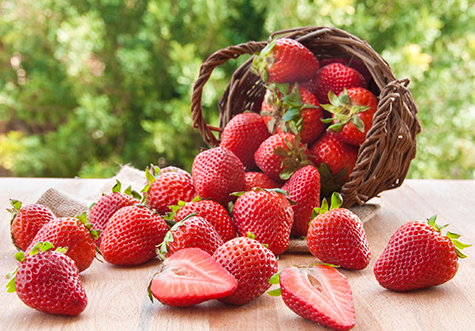 Vitamin C–Packed Foods (Stress Buffer Nutrients)
Top choices:
- Citrus fruits (oranges, grapefruit)
- Red bell peppers
- Kiwi
- Strawberries
3. 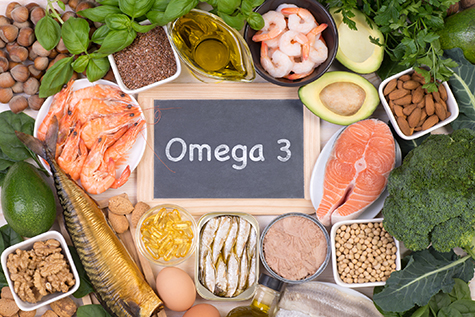 Omega-3 Fatty Acids (Anti-Inflammatory Support)
Top choices:
- Wild salmon
- Sardines
- Chia seeds
- Walnuts
4. 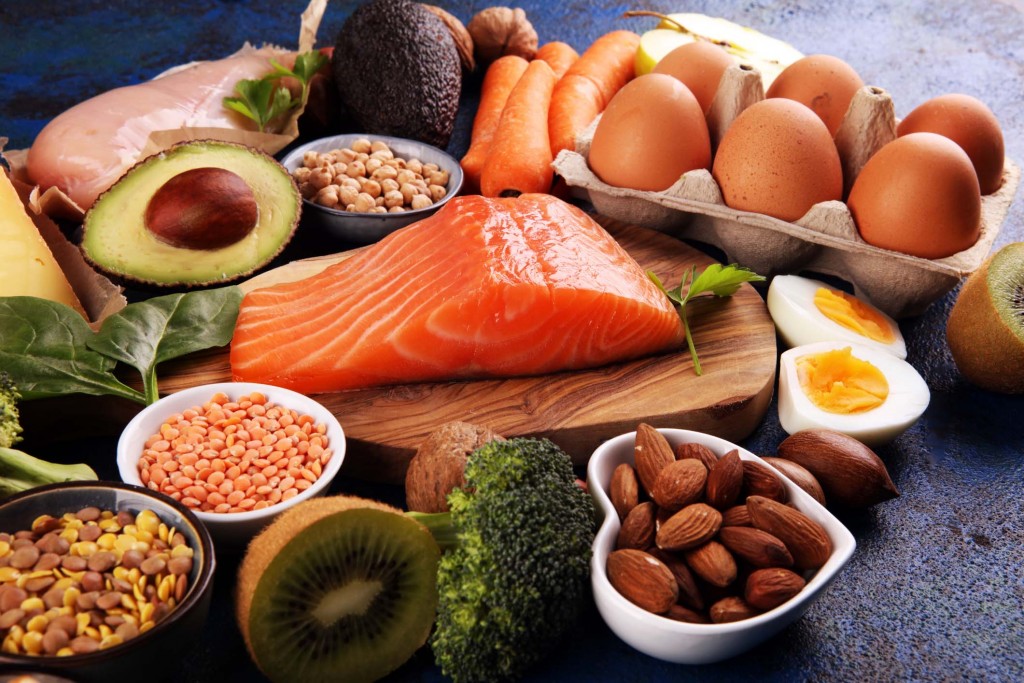 Protein + Fiber (Blood Sugar Stabilizers)
Top choices:
- Lentils and beans
- Greek yogurt
- Eggs
- Chicken or tofu paired with whole grains
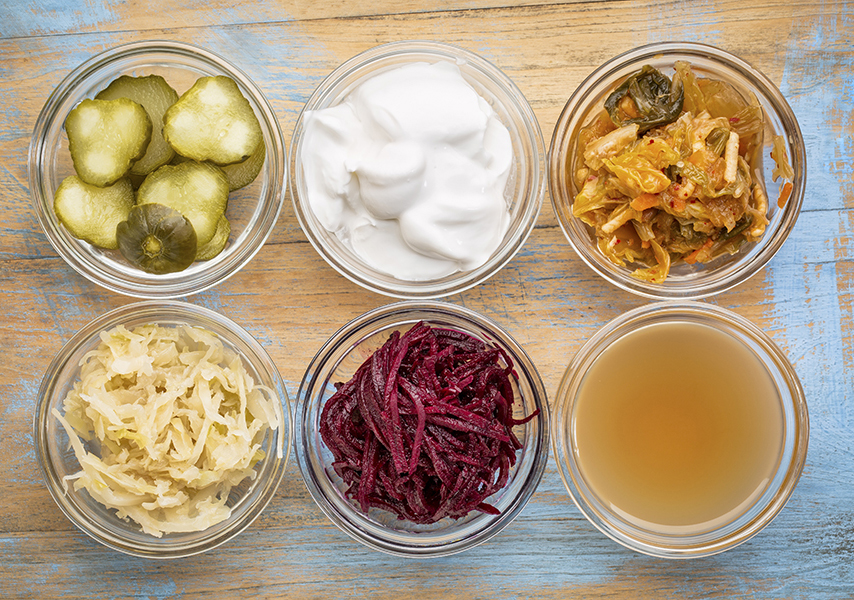 5. Fermented Foods (Gut–Stress Connection)
Top choices:
- Yogurt with live cultures
- Kefir
- Sauerkraut
- Kimchi
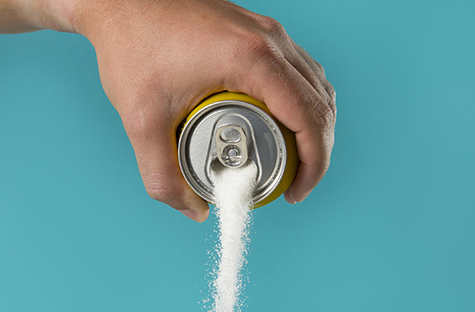 Foods That Can Keep Cortisol High
Just as important as what to include is what to limit:
- Excess caffeine (especially on an empty stomach)
- Refined sugars and ultra-processed foods
- Alcohol (disrupts sleep and cortisol rhythm)
- Skipping meals or under-eating
 A Simple Way to Eat for Lower Cortisol
Instead of overcomplicating it, think in terms of balance:
- Eat within an hour of waking
- Build meals with protein + fiber + healthy fat
- Avoid long gaps between meals
- Prioritize whole, nutrient-dense foods
This isn’t about perfection—it’s about consistency.
The FoodTrients Takeaway
Lowering cortisol isn’t about a single “superfood” or trendy supplement. It’s about creating a steady internal environment where your body feels safe, nourished, and supported. When you stabilize blood sugar, reduce inflammation, and nourish your gut, you’re not just managing stress—you’re protecting your long-term health and longevity.
Here’s a simple, repeatable meal plan to make lowering cortisol easy—plus our FoodTrients recipes ready for you to enjoy. FoodTrients 3-Day Meal Plan