
• It’s a Cookbook
    It’s a Philosophy
    It’s a Resource
logologologologo
  • FoodTrients 101
  • News
      • Age Gracefully with Grace O
      • Ginger Hultin, Nutrition
      • Mark Rosenberg, MD
      • Robert Tostado, MD
      • Anti-Aging
      • Beauty
      • Food
      • Health
      • Exercise
      • Celiac
      • Life Extension
      • Books We Love
      • FoodTrients Guides
      • Newsletter
      • woman doing yogaSecrets of the Lymphatic System
      • Fresh-RosemaryRosemary Improves Memory and Cognition
      • fish on slateAnti-Inflammatory Foods: the Top 10
      • capsule full of good foodAre Supplements Safe for You?
  • Recipes
    • SEARCH BY:

      • Category:

      • Starters
      • Soups
      • Salads
      • Main Dishes
      • Sides
      • Desserts
      • Drinks
      • Extras
      • Spice Mixes
      • All Recipes
      • Or Search By:

      • Anti-inflammatory
      • Antioxidant
      • Beauty
      • Detox
      • Disease Prevention
      • Gut Health
      • Immunity Booster
      • Mind
      • Strength
      • exotic fruit and granolaExotic Fruit Salad with Granola
      • buffalo meat slidersTry Buffalo Sliders with Sweetened Cranberries
      • Green Tea NoodlesHeart-Healthy Green Tea Noodles Ramp Up the Flavor
      • chocolate mousseIt’s a Melt-in-Your-Mouth Chocolate Mousse 
  • Resources
  • About
  • Shop
  • Media
  • Home Page
  • News
    • Age Gracefully
    • Anti-Aging
    • Beauty
    • Food
    • Ginger Hultin, MS RDN CSO
    • Health
    • Newsletter
  • Recipes
    • Starters
    • Soups
    • Salads
    • Main Dishes
    • Sides
    • Desserts
    • Drinks
    • Extras
    • Spice Mixes
  • Resources
    • Anti-Aging Resources
    • Health
    • Eating Well
    • Books We Love
  • About
    • About Grace O
    • Experts and Advisors
    • Contact Us
    • Facebook
    • Instagram
    • YouTube
    • Pinterest
  • Shop
  • Media
    • In the Media
    • Press Releases
    • Videos
            No results See all results
            ✕
                      No results See all results

                      Wheat Belly: A Book That Sparked the Wheat Debate

                      Published by FoodTrients

                      A Book That Sparked the Wheat Debate

                      As scientists continue to explore the connection between diet and the gut microbiome, many popular books have helped bring these discussions into the mainstream. One of the most widely talked about is Wheat Belly by cardiologist William Davis. The book ignited a global conversation about wheat, blood sugar, and digestive health—challenging long-standing advice to eat more whole grains. While some of its claims remain controversial, the book encouraged many people to think more carefully about how modern foods affect metabolism, gut health, and overall wellness.

                      Updated Review: Wheat Bellywheat belly
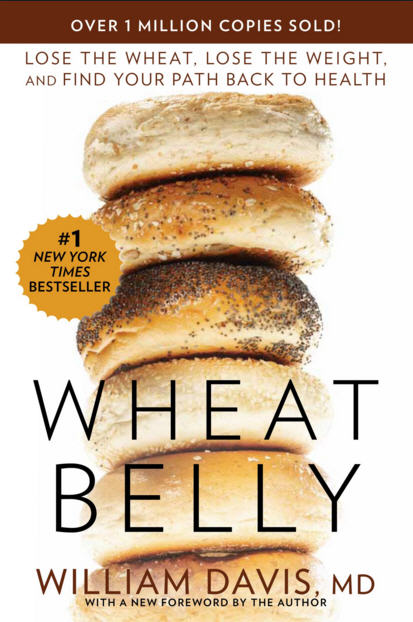
                      *Wheat Belly: Lose the Wheat, Lose the Weight, and Find Your Path Back to Health is more than just a book—it helped spark a major conversation about grains, carbohydrates, and metabolic health.

                      When cardiologist William Davis first began warning about the potential health effects of modern wheat, his message resonated with many readers looking for answers about weight gain, blood sugar, and digestive issues. In the introduction, he makes a bold claim: “I will make the case that the world’s most popular grain is also the world’s most destructive dietary ingredient.”

                      The book quickly became a New York Times bestseller and helped fuel the popularity of gluten-free and grain-free eating trends. Dr. Davis also built a large online following through his Wheat Belly blog, where thousands of readers shared stories of weight loss, improved blood sugar, and relief from digestive symptoms after eliminating wheat from their diets.

                      At the same time, the book has been controversial among nutrition researchers and dietitians. Critics argue that while some people clearly benefit from reducing refined carbohydrates or avoiding gluten due to conditions like Celiac Disease or gluten sensitivity, the book sometimes presents its conclusions in a dramatic way that goes beyond the available scientific evidence. Many experts note that most studies do not support the idea that wheat alone is responsible for the rise in obesity or chronic disease.

                      One of the most compelling parts of Davis’s argument focuses on how wheat has changed over the past several decades. He explains that agricultural scientists developed high-yield dwarf wheat varieties during the 1950s and 1960s as part of the global effort to increase food production. Today these modern varieties dominate global wheat production.

                      Davis suggests that ancient wheat varieties—such as einkorn, emmer, and spelt—may behave differently in the body than modern wheat. He argues that some traditional grains may produce a slower blood sugar response and contain different protein structures. While this idea has intrigued researchers, current evidence shows that blood sugar responses depend on many factors, including processing, fiber content, and portion size.

                      He also highlights the relationship between refined carbohydrates and insulin levels, arguing that frequent spikes in blood sugar can contribute to weight gain and insulin resistance. On this point, many nutrition experts do agree: diets high in refined carbohydrates and ultra-processed foods can contribute to metabolic problems. However, most research suggests the issue is not wheat alone but rather the broader pattern of highly processed foods and excess calories.

                      More than a decade after its publication, Wheat Belly remains a provocative book that challenges conventional nutrition advice. While some of its claims remain debated, it helped push the conversation toward a closer look at processed grains, blood sugar control, and the role of diet in metabolic health. For readers willing to approach it critically, the book can still be an interesting perspective in the ongoing discussion about what constitutes a healthy diet.
                      The FoodTrients® Takeaway

                      While Wheat Belly sparked an important conversation about modern diets, the bigger takeaway today is about overall dietary patterns rather than eliminating a single food group. Current research shows that gut health, metabolic health, and inflammation are influenced by the total quality of the diet—including the balance of whole foods, fiber, and minimally processed ingredients.

                      For some people—especially those with Celiac Disease or gluten sensitivity—avoiding wheat is essential. Others may simply feel better when they reduce highly processed breads, pastries, and refined flour products that can spike blood sugar and crowd out more nutrient-dense foods.

                      From a FoodTrients perspective, the focus is on foods that nourish the body and support the gut microbiome, including vegetables, fruits, legumes, nuts, seeds, healthy fats, and whole foods rich in fiber and antioxidants. These foods help feed beneficial gut bacteria, reduce inflammation, and support the body’s natural detoxification and immune defenses.

                      If you choose to eat grains, consider focusing on less processed varieties and traditional grains such as oats, quinoa, farro, einkorn, or other whole grains that provide fiber and nutrients that benefit digestion.

                      The key message aligns with what we now know about gut health: what you eat shapes your microbiome. A diet rich in whole, plant-forward foods and diverse fibers supports a healthier gut—and that, in turn, influences everything from metabolism to immunity and even mood.

                      As you explore the importance of gut health in this month’s FoodTrients® feature, remember that the goal isn’t fear of specific foods—it’s building a dietary pattern that nourishes the body and supports long-term wellness.

                      Share
                      FoodTrients
                      FoodTrients
                      Combining her passion for food and a lifelong commitment to promoting a healthy lifestyle, Grace O has created FoodTrients, a unique program for optimizing wellness. Grace O is a fusion chef with a mission: to cook up recipes for sustaining a long and joyful life that are built on a foundation of anti-aging science and her work in the health care industry. Mixing foods and unique flavors culled from a lifetime of travels from Asia to Europe and America, Grace O encourages young and old to celebrate a full life that embraces diversity. Lifestyle tips, age-defying recipes, and secrets of the healing properties of food are the centerpiece of FoodTrients-–all available through cookbooks, e-newsletters, and this website.

                      Sign Up to get our
                      NEWSLETTER FREE


                      By submitting this form, you are consenting to receive marketing emails from: . You can revoke your consent to receive emails at any time by using the SafeUnsubscribe® link, found at the bottom of every email. Emails are serviced by Constant Contact

                      SEE MORE BOOKS

                      ABOUT

                      • Grace O
                      • Our Experts
                      • FoodTrients
                      • Board of Advisors
                      • FAQs

                      EXPLORE

                      • Age Gracefully by Grace O
                      • News
                      • Recipes
                      • Our Guides
                      • Resources
                      • Shop
                      • Media

                      CONNECT

                      • Contact Us
                      • Subscribe
                      • Facebook
                      • Pinterest
                      • Instagram
                      • Twitter
                      • YouTube

                      SIGN UP for our NEWSLETTER

                      Nourish your week! Get the latest wellness news and delicious recipes to help you age better.


                      By submitting this form, you are consenting to receive marketing emails from: . You can revoke your consent to receive emails at any time by using the SafeUnsubscribe® link, found at the bottom of every email. Emails are serviced by Constant Contact

                      FoodTrients Trademark™ and copyright © 2011-2024 Triple G Enterprises. I Terms and Conditions I Privacy

                      This website is for informational and entertainment purposes only and is not a substitute for medical advice, diagnosis or treatment. FoodTrients – A Recipe for Aging Beautifully Grace O, author and creator of FoodTrients® -- a philosophy, a cookbook and a resource -- has a new cookbook dedicated to age-defying and delicious recipes, The Age Beautifully Cookbook: Easy and Exotic Longevity Secrets from Around the World, which provides one hundred-plus recipes that promote health and well-being. The recipes are built on foundations of modern scientific research and ancient knowledge of medicinal herbs and natural ingredients from around the world. Since the publication of her first anti-aging book, The Age GRACEfully Cookbook, Grace O has identified eight categories of FoodTrients benefits (Anti-inflammatory, Antioxidant, Immune Booster, Disease Prevention, Beauty, Strength, Mind, and Weight Loss) that are essential to fighting aging, which show how specific foods, herbs, and spices in the recipes help keep skin looking younger, prevent the diseases of aging, and increase energy and vitality. Grace O combines more exotic ingredients that add age-fighting benefits to familiar recipe favorites.

                                No results See all results