
February Heart Health Tip: Don’t Overload This Mineral
Heart disease remains the leading cause of death for both men and women in the United States. According to the latest data from the American Heart Association, cardiovascular disease accounts for nearly 1 million deaths per year, continuing to surpass cancer and other major causes of mortality.
Beyond the human toll, heart disease remains one of the most expensive health conditions in the country, costing the U.S. over $400 billion annually in healthcare expenses and lost productivity.
Most people focus on the obvious risk factors — diet, exercise, smoking, and alcohol. But there’s another potential contributor that doesn’t get nearly enough attention: Excess iron.
 The Iron–Heart Connection
Iron is essential. It helps produce red blood cells, transport oxygen, and prevent anemia.
But more is not always better.
Excess iron — particularly heme iron from red meat — can accumulate in the body and promote:
-
Oxidative stress
-
Chronic inflammation
-
Damage to blood vessels
-
Plaque formation in arteries
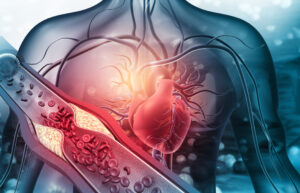
When iron levels become too high, it may contribute to atherosclerosis (hardening of the arteries), raising the risk of heart attack and stroke.
 What the Latest Research Shows
Recent large-scale observational studies continue to show that higher intake of heme iron is associated with an increased risk of cardiovascular disease. Some analyses suggest up to a 25–30% higher risk among those with the highest heme iron intake compared to the lowest.
Researchers believe excess iron acts as a catalyst for oxidative reactions in the bloodstream, accelerating arterial damage.
There’s also a gender difference:
-
Premenopausal women tend to have lower iron stores due to menstruation and typically lower heart disease risk.
-
After menopause, iron levels rise — and so does cardiovascular risk.
 Iron, Aging & Brain Health
Emerging research from the Buck Institute for Research on Aging suggests that iron accumulation may also contribute to accelerated biological aging and neurodegenerative conditions like Alzheimer’s and Parkinson’s disease.
Iron can promote cellular damage over time if not properly regulated, potentially impacting both heart and brain longevity.
 How to Manage Iron Intake for Better Heart Health
If you’re not iron deficient, moderation is key.
1️⃣ Limit Red Meat
- Aim for no more than 6–8 ounces per week
- Choose fish, legumes, and plant-based proteins more often
2️⃣ Be Aware of Iron-Fortified Foods
Many cereals and processed grains are heavily fortified. If your iron levels are normal or high, choose whole, minimally processed foods instead.
3️⃣  Check Your Multivitamin
Unless prescribed, most adults — especially those over 40 — do not need supplemental iron.
4️⃣ Add Natural Iron Regulators
Certain foods may help balance iron absorption:
- Green tea
- Garlic
- Broccoli
- Turmeric
- Cilantro
5️⃣  Support Healthy Homocysteine Levels
B vitamins (especially folate, B6, and B12) help regulate homocysteine, a marker associated with heart risk.
Focus on:
- Leafy greens
- Beans
- Eggs
- Whole grains
6️⃣ Test — Don’t Guess
 Ask your healthcare provider to check:
- Ferritin (iron stores)
- Serum iron
- Transferrin saturation
- Homocysteine
If iron is elevated, dietary adjustments — or in some cases therapeutic blood donation — may be discussed with your doctor.
Final Thoughts
Iron is essential — but excess iron may quietly increase risk for heart disease, accelerated aging, and cognitive decline. During Heart Month, it’s worth looking beyond the usual risk factors and considering whether your iron intake is appropriate for your age, gender, and health status.
Your heart — and your brain — may thank you. ❤️
Share this with someone who prioritizes long-term health. ❤️