• It’s a Cookbook
    It’s a Philosophy
    It’s a Resource
logologologologo
  • FoodTrients 101
  • News
      • Age Gracefully with Grace O
      • Ginger Hultin, Nutrition
      • Mark Rosenberg, MD
      • Robert Tostado, MD
      • Anti-Aging
      • Beauty
      • Food
      • Health
      • Exercise
      • Celiac
      • Life Extension
      • Books We Love
      • FoodTrients Guides
      • Newsletter
      • woman doing yogaSecrets of the Lymphatic System
      • Fresh-RosemaryRosemary Improves Memory and Cognition
      • fish on slateAnti-Inflammatory Foods: the Top 10
      • capsule full of good foodAre Supplements Safe for You?
  • Recipes
    • SEARCH BY:

      • Category:

      • Starters
      • Soups
      • Salads
      • Main Dishes
      • Sides
      • Desserts
      • Drinks
      • Extras
      • Spice Mixes
      • All Recipes
      • Or Search By:

      • Anti-inflammatory
      • Antioxidant
      • Beauty
      • Detox
      • Disease Prevention
      • Gut Health
      • Immunity Booster
      • Mind
      • Strength
      • exotic fruit and granolaExotic Fruit Salad with Granola
      • buffalo meat slidersBuffalo Sliders with Sweetened Cranberries
      • Green Tea NoodlesHeart-Healthy Green Tea Noodles Ramp Up the Flavor
      • chocolate mousseIt’s a Melt-in-Your-Mouth Chocolate Mousse 
  • Resources
  • About
  • Shop
  • Media
  • Home Page
  • News
    • Age Gracefully
    • Anti-Aging
    • Beauty
    • Food
    • Ginger Hultin, MS RDN CSO
    • Health
    • Newsletter
  • Recipes
    • Starters
    • Soups
    • Salads
    • Main Dishes
    • Sides
    • Desserts
    • Drinks
    • Extras
    • Spice Mixes
  • Resources
    • Anti-Aging Resources
    • Health
    • Eating Well
    • Books We Love
  • About
    • About Grace O
    • Experts and Advisors
    • Contact Us
    • Facebook
    • Instagram
    • YouTube
    • Pinterest
  • Shop
  • Media
    • In the Media
    • Press Releases
    • Videos
✕
No results See all results

February Heart Health Tip: Don’t Overload This Mineral

Published by Dr. Mark Rosenberg

Heart disease remains the leading cause of death for both men and women in the United States. According to the latest data from the American Heart Association, cardiovascular disease accounts for nearly 1 million deaths per year, continuing to surpass cancer and other major causes of mortality.

Beyond the human toll, heart disease remains one of the most expensive health conditions in the country, costing the U.S. over $400 billion annually in healthcare expenses and lost productivity.

Most people focus on the obvious risk factors — diet, exercise, smoking, and alcohol. But there’s another potential contributor that doesn’t get nearly enough attention: Excess iron.
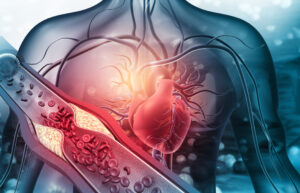

The Iron–Heart Connection

Iron is essential. It helps produce red blood cells, transport oxygen, and prevent anemia.

But more is not always better.

Excess iron — particularly heme iron from red meat — can accumulate in the body and promote:

  • Oxidative stress

  • Chronic inflammation

  • Damage to blood vessels

  • Plaque formation in arteries

When iron levels become too high, it may contribute to atherosclerosis (hardening of the arteries), raising the risk of heart attack and stroke.


What the Latest Research Shows

Recent large-scale observational studies continue to show that higher intake of heme iron is associated with an increased risk of cardiovascular disease. Some analyses suggest up to a 25–30% higher risk among those with the highest heme iron intake compared to the lowest.

Researchers believe excess iron acts as a catalyst for oxidative reactions in the bloodstream, accelerating arterial damage.

There’s also a gender difference:

  • Premenopausal women tend to have lower iron stores due to menstruation and typically lower heart disease risk.

  • After menopause, iron levels rise — and so does cardiovascular risk.


Iron, Aging & Brain Health

Emerging research from the Buck Institute for Research on Aging suggests that iron accumulation may also contribute to accelerated biological aging and neurodegenerative conditions like Alzheimer’s and Parkinson’s disease.

Iron can promote cellular damage over time if not properly regulated, potentially impacting both heart and brain longevity.


How to Manage Iron Intake for Better Heart Health

If you’re not iron deficient, moderation is key.

1️⃣ Limit Red Meat

  • Aim for no more than 6–8 ounces per week
  • Choose fish, legumes, and plant-based proteins more often

2️⃣ Be Aware of Iron-Fortified Foods

Many cereals and processed grains are heavily fortified. If your iron levels are normal or high, choose whole, minimally processed foods instead.

3️⃣ Check Your Multivitamin
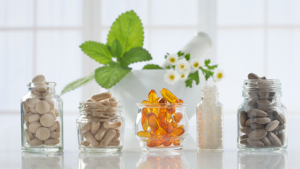
Unless prescribed, most adults — especially those over 40 — do not need supplemental iron.

4️⃣ Add Natural Iron Regulators

Certain foods may help balance iron absorption:

  • Green tea
  • Garlic
  • Broccoli
  • Turmeric
  • Cilantro

5️⃣ Support Healthy Homocysteine Levels

B vitamins (especially folate, B6, and B12) help regulate homocysteine, a marker associated with heart risk.

Focus on:

  • Leafy greens
  • Beans
  • Eggs
  • Whole grains

6️⃣ Test — Don’t Guess

Ask your healthcare provider to check:

  • Ferritin (iron stores)
  • Serum iron
  • Transferrin saturation
  • Homocysteine

If iron is elevated, dietary adjustments — or in some cases therapeutic blood donation — may be discussed with your doctor.


Final Thoughts

Iron is essential — but excess iron may quietly increase risk for heart disease, accelerated aging, and cognitive decline. During Heart Month, it’s worth looking beyond the usual risk factors and considering whether your iron intake is appropriate for your age, gender, and health status.

Your heart — and your brain — may thank you. ❤️

Share this with someone who prioritizes long-term health. ❤️
Share
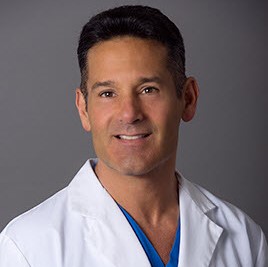
Dr. Mark Rosenberg

Dr. Mark Rosenberg

Dr. Mark Rosenberg received his doctorate from Georgetown University School of Medicine in 1988 and has been involved with drug research since 1991. With numerous certifications in several different fields of medicine, psychology, healthy aging and fitness, Dr. Rosenberg has a wide breadth of experience in both the public and private sector with particular expertise in both the mechanism of cancer treatment failure and in treating obesity. He currently is researching new compounds to treat cancer and obesity, including receiving approval status for an investigational new drug that works with chemotherapy and a patent pending for an oral appetite suppressant. He is currently President of the Institute for Healthy Aging, Program Director of the Integrative Cancer Fellowship, and Chief Medical Officer of Rose Pharmaceuticals. His work has been published in various trade and academic journals. In addition to his many medical certifications, he also personally committed to physical fitness and is a certified physical fitness trainer.

Sign Up to get our
NEWSLETTER FREE

Select list(s) to subscribe to

ABOUT

  • Grace O
  • Our Experts
  • FoodTrients
  • Board of Advisors
  • FAQs

EXPLORE

  • Age Gracefully by Grace O
  • News
  • Recipes
  • Our Guides
  • Resources
  • Shop
  • Media

CONNECT

  • Contact Us
  • Subscribe
  • Facebook
  • Pinterest
  • Instagram
  • Twitter
  • YouTube

SIGN UP for our NEWSLETTER

Nourish your week! Get the latest wellness news and delicious recipes to help you age better.

Select list(s) to subscribe to

FoodTrients Trademark™ and copyright © 2011-2026 Triple G Enterprises. I Terms and Conditions I Privacy

This website is for informational and entertainment purposes only and is not a substitute for medical advice, diagnosis or treatment. FoodTrients – A Recipe for Aging Beautifully Grace O, author and creator of FoodTrients® -- a philosophy, a cookbook and a resource -- has a new cookbook dedicated to age-defying and delicious recipes, The Age Beautifully Cookbook: Easy and Exotic Longevity Secrets from Around the World, which provides one hundred-plus recipes that promote health and well-being. The recipes are built on foundations of modern scientific research and ancient knowledge of medicinal herbs and natural ingredients from around the world. Since the publication of her first anti-aging book, The Age GRACEfully Cookbook, Grace O has identified eight categories of FoodTrients benefits (Anti-inflammatory, Antioxidant, Immune Booster, Disease Prevention, Beauty, Strength, Mind, and Weight Loss) that are essential to fighting aging, which show how specific foods, herbs, and spices in the recipes help keep skin looking younger, prevent the diseases of aging, and increase energy and vitality. Grace O combines more exotic ingredients that add age-fighting benefits to familiar recipe favorites.