February 26, 2013

Chia Seeds: Health Benefit Pros And Cons

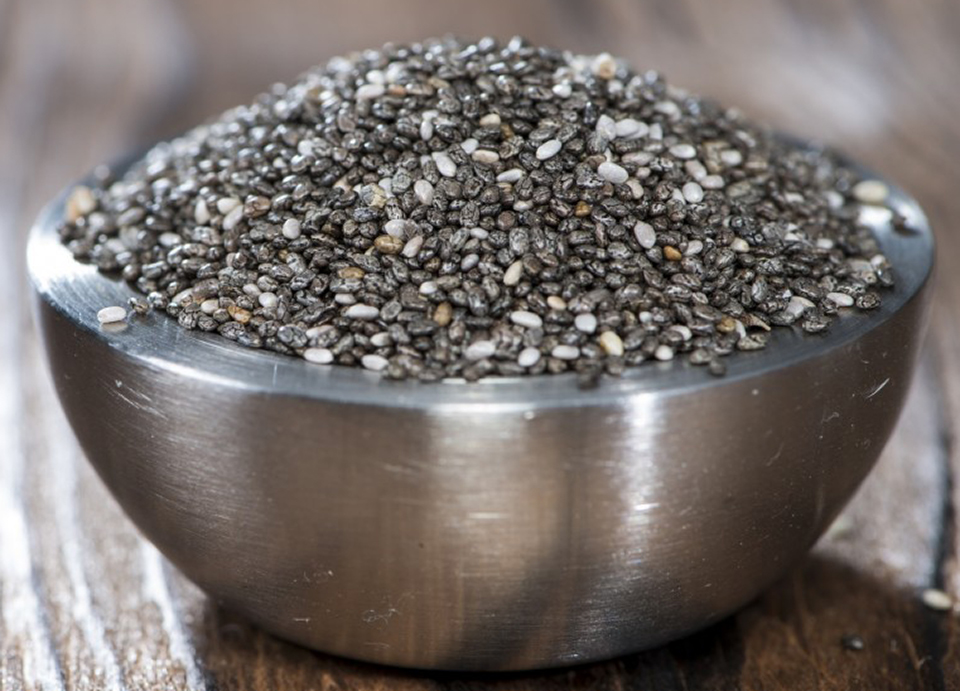
Many of you may not have known much about chia until it became a household word about a decade ago when chia “pets” were everywhere.  Remember those terra-cotta plant holders in the shape of an animal that grew chia plants out the top of the head? Chia seeds have actually been around since the days of the Aztec civilization when they were used for food, medicine, and currency and were highly valued. Modern health researchers have found that those same chia seeds have a lot of health benefits.  They can also have a few health drawbacks so I’d like to […]
February 8, 2013

Oranges & Vitamin C

At the first sign of a runny nose many of my patients load up on Vitamin C for its protection and relief from the common cold. Some take vitamin C in supplement form whereas others prefer to stock up on juices and fruits. What most people are surprised to learn is that an orange does not top the list of fruits for vitamin C content although it is the most common. Other fruits such as guava, kiwi, and strawberries actually contain more vitamin C than citrus.

January 30, 2013

Is “Frankenwheat” Fueling The Type 2 Diabetes Epidemic?

The FDA’s food pyramid says you should be eating between 6-10 servings of ‘whole grains’ every day.  For many people that translates into several wheat-based products throughout the day like toast or waffles for breakfast, a sandwich for lunch, wheat-based croutons on your salad, wheat in soups and other processed foods, etc.
January 30, 2013

Strontium: The “Other” Bone-Health Nutrient

Like most of my patients, you likely know that you need adequate calcium in your diet to keep your bones strong and prevent against fracture, as you get older.  What you may not know is that there is another nutrient that is just as important as calcium that decreases your risk of fracture even more.  Let me tell you about this significant bone builder.
January 30, 2013

After-Meal Blood Sugar Spikes Increases Heart Attack Risk

Did you know that your risk of suffering from cardiovascular death is the greatest in the two-hour time period after you eat a meal? That’s partly because during that time, you can experience dangerous blood sugar spikes that acutely impair blood flow through vital arteries, ultimately leading to a heart attack or stroke.