
30 Plants a Week: A Simple Longevity Habit
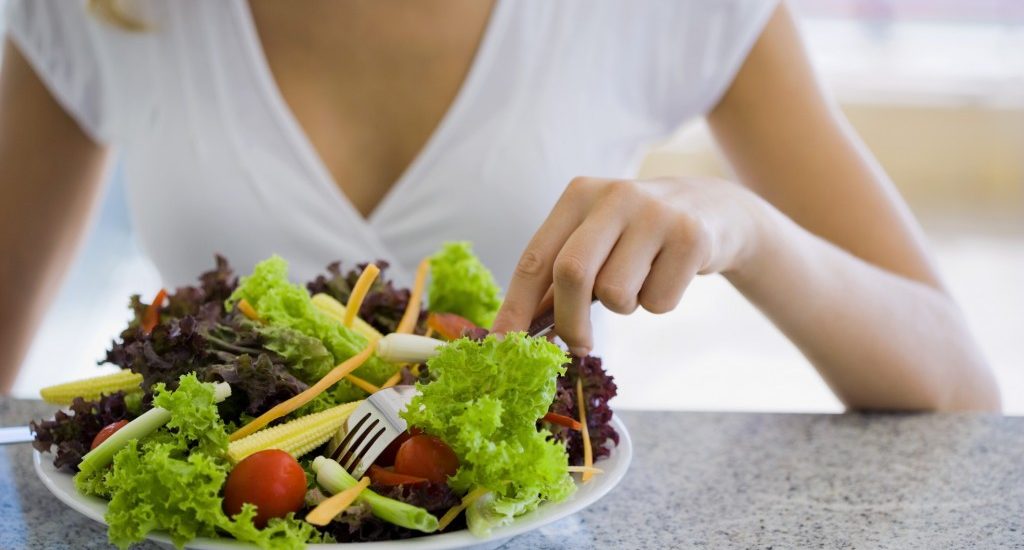
Forget the latest superfood craze. Nutrition experts say one of the simplest ways to support a healthy gut—and potentially a longer, healthier life—is by eating a wider variety of plant foods every week.
When people think about longevity, they often picture expensive supplements, restrictive diets, or the latest “miracle” superfood. But researchers studying the gut microbiome are pointing to something much simpler: variety.
Instead of focusing on one “perfect” food, scientists have found that people who eat a greater diversity of plant foods tend to have more diverse gut bacteria—a hallmark of a healthier microbiome. Since gut health has been linked to immunity, inflammation, metabolism, and even brain health, the humble goal of eating 30 different plant foods each week is gaining attention as a practical wellness habit.
 Why 30?
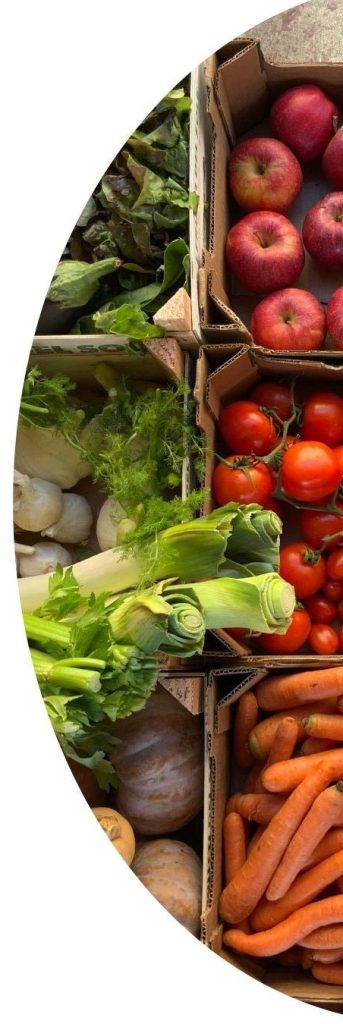
The idea comes from large-scale microbiome research, which found that people who consumed 30 or more different plant foods per week tended to have a richer and more diverse gut microbiome than those who ate fewer than 10. Diversity appears to be more important than loading up on the same “healthy” foods every day.
Fortunately, “plant foods” include far more than fruits and vegetables.
What Counts as a Plant?
Many people are surprised to learn that all of these count toward your weekly total:
- Fruits
- Vegetables
- Leafy greens
- Whole grains
- Beans and lentils
- Nuts
- Seeds
- Fresh herbs
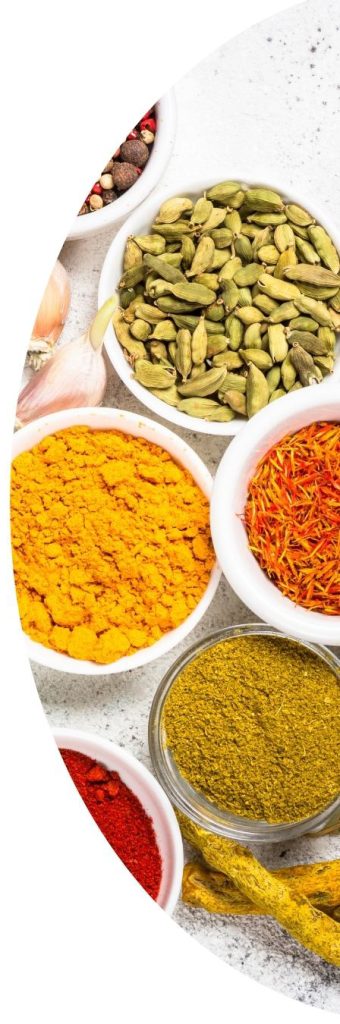
- Dried spices
- Mushrooms
- Olives
- Avocados
Even small amounts matter. A sprinkle of parsley, cinnamon in your oatmeal, sliced almonds on a salad, or black beans in a soup each count as separate plant foods.
 The Benefits Go Beyond Digestion
A diverse gut microbiome has been associated with:
- Better digestion
- Stronger immune function
- Reduced inflammation
- Improved blood sugar regulation
- Better heart health
- Healthy aging
- Potential protection against cognitive decline
Researchers continue to uncover connections between gut bacteria and overall health, making plant diversity an exciting area of nutrition science.
One-Day Meal Plan: Can You Eat 30 Different Plants in a Day?
Think eating 30 different plant foods sounds impossible? It’s actually easier than you might think. By adding a variety of fruits, vegetables, whole grains, herbs, spices, nuts, seeds, and legumes throughout the day, you can nourish your gut microbiome while enjoying colorful, flavorful meals.
Breakfast: Berry Oatmeal Power Bowl
Plant Count: 8
- Oats (1)
- Blueberries (2)
- Strawberries (3)
- Walnuts (4)
- Chia seeds (5)
- Ground flaxseed (6)
- Cinnamon (7)
- Almond butter (8)
Morning Snack
Plant Count: 3 (Total: 11)
- Apple (9)
 Pistachios (10)
- Green tea (11)
Lunch: Rainbow Grain Bowl
Plant Count: 11 (Total: 22)
- Quinoa (12)
- Spinach (13)
- Chickpeas (14)
- Cherry tomatoes (15)
- Cucumber (16)
- Red bell pepper (17)
- Red onion (18)
- Avocado (19)
- Parsley (20)
- Lemon (21)
- Extra virgin olive oil (22)
Afternoon Snack
Plant Count: 2 (Total: 24)
- Carrot sticks (23)
- Hummus made with chickpeas and tahini (sesame seeds) (24)
Dinner: Mediterranean Salmon with Roasted Vegetables
Plant Count: 8 (Total: 32)
- Broccoli (25)
- Sweet potato (26)
- Brussels sprouts (27)
- Garlic (28)
- Rosemary (29)
- Thyme (30)
- Black pepper (31)
- Turmeric (32)
Dessert (Optional):
Fresh cherries or peaches are a delicious seasonal finish and add even more plant diversity.
 It’s About Variety, Not Perfection
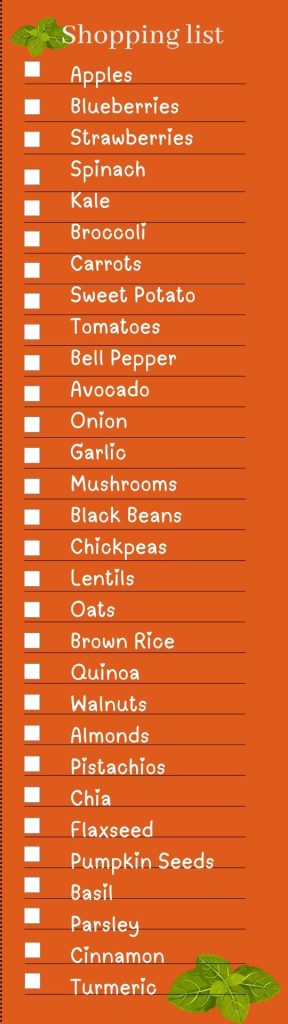
You don’t have to hit 30 every week to benefit. The goal isn’t perfection—it’s gradually expanding the range of plant foods you enjoy to each meal.
Try swapping white rice for farro, adding fresh herbs to meals, experimenting with new vegetables at the farmers market, or rotating different beans and whole grains throughout the week.
Every new plant brings a unique mix of fiber and phytonutrients that helps nourish the trillions of beneficial microbes living in your digestive system.
The FoodTrients 30-Plant Challenge
This week, keep a running tally of every different plant food you eat. Remember, fruits, vegetables, whole grains, beans, herbs, spices, nuts, and seeds all count. Don’t worry about perfection—just aim to add one or two new plant foods each day. By the end of the week, you might be surprised to see you’ve reached 30, all while enjoying a more colorful, flavorful, and nutrient-rich diet.
Looking for an easy way to add more plant diversity to your plate? The FoodTrients Garlicky Green Beans recipe is a perfect example of how simple, flavorful ingredients can help you meet the 30-Plant Challenge. Featuring nutrient-rich green beans, garlic, herbs, and other wholesome ingredients, it’s a delicious way to boost your weekly plant variety—one bite at a time.
Try the FoodTrients Summer Salad with 18 Plants!
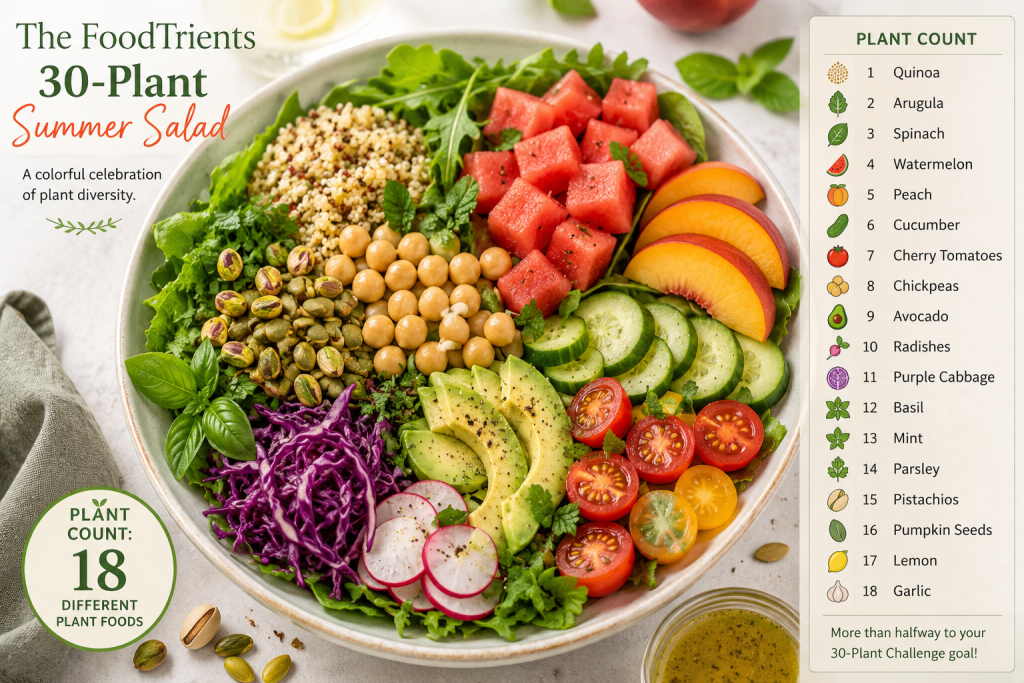
This vibrant summer salad is proof that eating more plants doesn’t have to be complicated. Bursting with fresh vegetables, juicy fruit, whole grains, herbs, legumes, nuts, and seeds, every bite contributes to a healthier gut microbiome while delivering incredible flavor and texture. Whether served as a light lunch or alongside grilled fish or chicken, this colorful bowl is a delicious way to support the FoodTrients 30-Plant Challenge.
Plant Count: 18 Different Plant Foods
Ingredients
For the Salad
- 1 cup cooked quinoa, cooled
- 2 cups baby arugula
- 1 cup baby spinach
- 1 cup watermelon, cubed
- 1 peach, sliced
- 1 Persian cucumber, sliced
- 1 cup cherry tomatoes, halved
- ½ cup cooked chickpeas
- ¼ avocado, sliced
- 2 radishes, thinly sliced
- ¼ cup shredded purple cabbage
- 2 tablespoons fresh basil, torn
- 2 tablespoons fresh mint leaves
- 2 tablespoons chopped fresh parsley
- 2 tablespoons toasted pistachios
- 1 tablespoon roasted pumpkin seeds
Lemon-Herb Vinaigrette
- 3 tablespoons extra virgin olive oil
- 1 tablespoon fresh lemon juice
- 1 teaspoon Dijon mustard
- 1 teaspoon honey
- 1 small garlic clove, minced
- Freshly ground black pepper
- Pinch of sea salt
Directions
- In a small bowl, whisk together the olive oil, lemon juice, Dijon mustard, honey, garlic, salt, and pepper until smooth.
- Arrange the arugula and spinach in a large serving bowl or on a platter.
- Layer the quinoa, watermelon, peach slices, cucumber, tomatoes, chickpeas, avocado, radishes, and purple cabbage over the greens.
- Sprinkle with the basil, mint, parsley, pistachios, and pumpkin seeds.
- Drizzle with the Lemon-Herb Vinaigrette just before serving and gently toss.
- Garnish with additional fresh herbs and a few extra pistachios, if desired.
Serving Suggestion: Pair with grilled wild salmon, shrimp, or chicken for a complete Mediterranean-inspired meal that’s as nourishing as it is beautiful.
FoodTrients 30-Plant Challenge goal:
Every ingredient in this salad contributes to your weekly plant diversity. From leafy greens and colorful fruits to legumes, herbs, nuts, and seeds, you’ll enjoy 18 different plant foods in one delicious meal—bringing you more than halfway to the goal!
Explore more FoodTrients recipes packed with colorful vegetables, whole grains, legumes, herbs, and spices to help you reach your 30-plant goal while enjoying every meal. FoodTrients Recipes