
The 4 Biggest Mistakes People Make When Going Gluten-Free
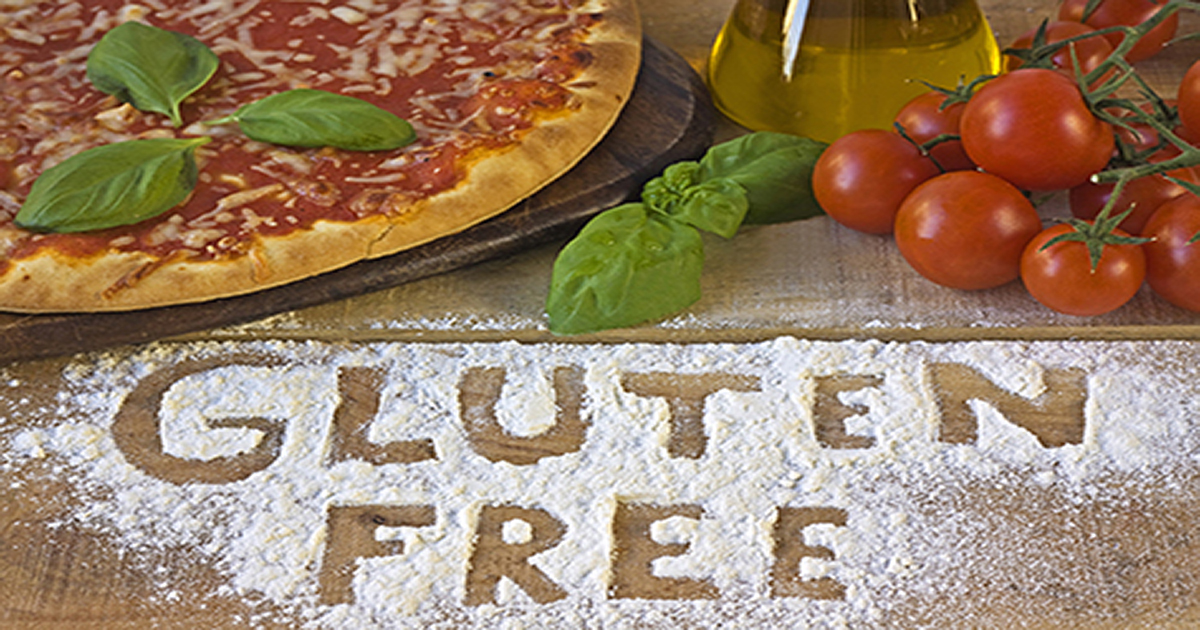
To say that there are hurdles involved when learning to navigate a gluten-free lifestyle is quite the understatement.
Learning to manage this new lifestyle and all of the changes it brings can result in a lot of mistakes, but sometimes mistakes can be good. Mistakes allow us to learn from experiences and to improve.
But let’s be honest — sometimes it’s hard to know when you’re making a mistake. And what you don’t know, you can’t fix! So we’ve compiled the 4 biggest mistakes that people make on a gluten-free diet — I’ll bet some of you don’t even realize that you are making some of them!
1. Not Learning How to Read Labels: The gluten-free food revolution has brought along with it a lot of advantages, but it also has its share of disadvantages. One of these is the vast number of products that label themselves as gluten-free inaccurately. These products may be free of gluten ingredients, but they are manufactured in facilities that expose them to gluten through cross-contamination. One recent culprit is Cheerios, who last year had to recall large amounts of their product because their factory practices weren’t up to standard.
To be successful on a gluten-free diet, you’ll need to become a label super sleuth. Gluten is found in many different whole grains — keep an eye out for wheat, barley, rye, brewer’s yeast, spelt, farro, oatmeal, wheat germ, and wheat bran. Other culprits that are hiding gluten are soy sauce, malt, and barley malt, among many others.
On that note, don’t forget non-food culprits as well. Hygiene products, from toothpaste to mouthwash and lipsticks, can contain gluten. Since these are products that can potentially involve accidental ingestion, it’s important to be diligent and check the ingredients.
2. Eating Too Many Gluten-Free Packaged Foods
People starting a gluten-free diet often load up on gluten-free alternatives to the foods they are used to like pastas, breads, and packaged meals. It can be pretty exciting to discover that there are items like gluten-free croissants, gluten-free boxed mac & cheese, and gluten-free frozen chicken nuggets.
 Beware of this type of dieting, because just because something is labeled gluten-free that doesn’t mean it’s good for you.
Overall, the gluten-free food aisle contains some of the most heavily processed food in the grocery store, so spending the bulk of your shopping time there is not going to do your body or your health any favors.
Also beware of gluten-free replacement flours that are notoriously terrible for your health, such as rice starches, rice flour, tapioca starch, corn, and soy flours. Refined sugar, and oils like canola, soy, and cottonseed should also only be eaten in moderation.
A healthy gluten-free diet is full of nutrient-dense, anti-inflammatory foods, healthy fats, proteins, and plant-based foods. Gluten-free convenience foods contain loads of added sugar, unhealthy fats, and nutrient-empty ingredients. These products are actually fairly often even more unhealthy than their glutenous counterparts.
Need some tips on what to buy? No problem!
Choose pastas that are made from lentils, beans, or chickpeas (Banza is a household favorite around here). Or you can use a spiralizer to make your own noodles out of veggies like zucchini or butternut squash.
• Substitute sprouted quinoa or amaranth for rice.
• Use healthier flours for baking like coconut flour, buckwheat flour, almond meal, chickpea flour, sorghum flour.
• If you can’t bake your own bread, seek out bread that’s made from nutrient-rich grains, like Happy Campers bread.
• Make pizza crust from ground cauliflower or chickpea flour.
• Buy healthy chips for snacking like Mary’s Gone Crackers. If you like dip for your chips, mash up some avocados, or make your own hummus!
Aim for the packaged gluten-free goodies to be eaten as treats and instead fill your diet with fruits and veggies, lean protein, healthy fats, beans, nuts, lean meat, and dairy.
3. Becoming Well-Fed But Malnourished:
But what about those of us not loading up on junk food? Unfortunately, that doesn’t necessarily mean that your body isn’t still nutrient deficient. Here’s why: a healthy intestine has an abundance of villi which aid in the absorption of nutrients into the bloodstream. Untreated celiac disease causes these villi to be flattened thus compromising their ability to properly absorb nutrients. Long story short, even if you are eating a healthy diet, your body may not be benefiting from it, especially if you went for a long time with undiagnosed celiac disease.
Continued malabsorption of nutrients such as calcium, magnesium, vitamin D, B vitamins, and omega-3 fatty acids can contribute to mood disorders, lower energy levels, poor bone health, insomnia, attention problems, and a host of other issues.
Adhering to a strict gluten-free diet doesn’t necessarily correct this either. A recent study found that 10 years after going gluten-free, as much as 50% of celiac patients were still suffering from poor vitamin status. This could be due to poor diet, or because regardless of diet, the body is having difficulty absorbing nutrients adequately.
Diet really is only a piece of the puzzle when combating celiac disease and the damage it has caused. Other things like exercise, probiotics, and taking a good supplement can help your body heal in a way that diet by itself won’t manage.
Also, non-responsive celiac disease, or celiac disease that is fairly unresponsive to treatment exists. If you think you have it, educate yourself and speak with your doctor.
4. Missing Out on Key Nutrients
It is a common misconception that going gluten-free means going grain-free. There are still lots of grains you can eat, including millet, rice, buckwheat, and a few others. Still, your whole grain options are limited, which means missing out on an easy source of fiber and vitamins A and E. Trace minerals and nutrients such as iron, zinc, copper, and magnesium can also be found in these grains. To ensure you’re getting enough of these key nutrients, be sure to fill half of your plate with fruits and veggies at every meal, and to take a good supplement.
We hope this has shined some light into the more common mistakes people make while on a gluten-free diet. What are some mistakes you’ve found yourself making that we forgot to mention here? We would love to hear them so that we can share them with readers in the future!