
Supporting Gut Health for Better Wellness and Longevity


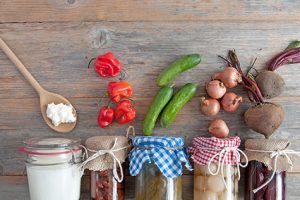 Digestive health is a critical part of overall wellness. The foods we eat can influence everything from our mood and immune system to how efficiently our bodies absorb nutrients. Staying well is the focus of the sixth part in our series exploring the nine health benefits at the core of FoodTrients® and all of our recipes. What you eat matters, which is why we explore one of these incredible anti-aging benefits each month and show how the right foods can help support long-term health.
You may be familiar with the phrase “gut health,” but understanding its true importance requires looking deeper at the gut microbiome, prebiotics, probiotics, and the types of foods that keep your digestive system balanced and functioning at its best. Gut health plays a role in many aspects of the body—from your mood and immunity to how nutrients are absorbed and toxins are eliminated.
The “gut” is an essential part of the digestive system responsible for digesting food and absorbing nutrients. Understanding how this system works and which foods your body—and the beneficial bacteria within your gut—need is the first step toward supporting digestive wellness. In this article, we’ll explore which FoodTrients® can help nourish and protect gut health.
 Understanding the Gut Microbiome
Many people are surprised to learn that the gut contains trillions of beneficial bacteria—more microbial cells than human cells in the body. This community of microorganisms is known as the gut microbiome. These bacteria help break down food, produce certain vitamins, support immune health, and even influence mood and brain function. Scientists now recognize a strong connection between the gut and the brain, often referred to as the gut-brain axis.
Probiotics are beneficial microorganisms—live bacteria and yeast—that help support a healthy microbiome when consumed. These are commonly found in fermented foods. Prebiotics, on the other hand, are types of fiber that act as fuel for these beneficial bacteria.
The goal of maintaining gut health is to support good bacteria by eating foods rich in fiber and prebiotics while also introducing beneficial bacteria through probiotic foods such as yogurt, kimchi, or kefir.
A healthy balance between good and harmful bacteria can help support immunity, improve digestion, enhance mood, and may even help prevent chronic diseases associated with aging.
Foods to Support Good Bacteria and Overall Gut Health
Here’s the best foods that include fiber and good bacteria (or both!) through foods that support your gut health. Consider planning out your diet so that you get these types of foods every day.
High Fiber Foods
Foods that contain insoluble fiber (bulks stool) and soluble fiber (absorbs water and grabs bacteria) are the foundation of a healthy gut.
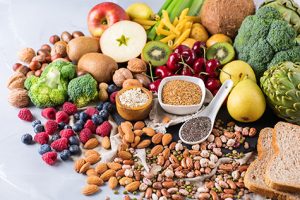
High fiber foods include vegetables, whole grains, and fruits. Some of the best sources include:
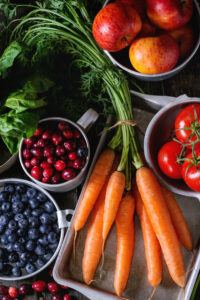
- Fruits: Apples, blueberries, grapefruit, pears, pomegranates, raspberries
- Vegetables: artichokes, beets, broccoli, carrots, green peas, sweet potatoes with the skin, and winter squash.
- Whole grains: brown and black rice, oats, quinoa, sorghum, whole wheat
 Prebiotic Foods
Foods that the body cannot break down and instead get fermented by the good bacteria in your gut have special fibers that are referred to as prebiotics.
Some of the best sources include:
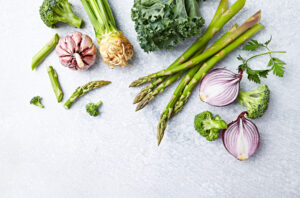
- Asparagus, bananas, chicory root, dandelion greens, garlic, onions, leeks, and Jerusalem artichokes
 Probiotic-Rich Foods
Foods that contain living microorganisms similar to those naturally produced in the gut are called probiotic foods. They are generally either fermented or cultured.
Some of the best sources include:
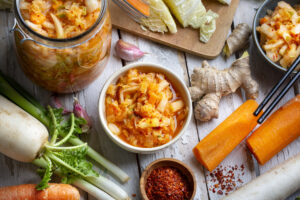
- Kefir, kimchi, kombucha, miso, sauerkraut, tempeh, and yogurt
 Symbiotic Food Pairs
Foods that contain both probiotics and prebiotics are a perfect combination for your gut health. Try these pairings for the best of both worlds:
- Blueberries and Greek yogurt
- Miso soup with leeks and tofu cubes
- Smoothie with kefir milk, flaxseeds, banana, and spinach
- Feta cheese with baked beans
- Greens sautéed with garlic served with tempeh and brown rice
Other Factors That Influence Gut Health
While nutrition plays a major role, lifestyle habits also significantly impact the gut microbiome. In addition to eating a wide variety of whole foods, gut health is supported by:
- Regular physical activity
- Managing stress
- Getting adequate sleep
- Staying hydrated
- Limiting highly processed foods
Daily lifestyle choices can help maintain a healthy balance of gut bacteria and support digestive health over time.
 Gut Health Tips Women Should Know
Supporting gut health does not require drastic changes. Small, consistent habits can make a big difference.
- Eat More Fiber
Aim to include fruits, vegetables, legumes, and whole grains in your meals every day. - Add Fermented Foods
Foods like yogurt, kefir, sauerkraut, and kimchi help introduce beneficial bacteria into the gut. - Eat a Variety of Plant Foods
Diversity in your diet supports a diverse microbiome. Try to include many different colorful fruits and vegetables throughout the week. - Include Polyphenol-Rich Foods
Berries, olive oil, green tea, herbs, and spices help nourish beneficial gut bacteria. - Support Gut Health Through Lifestyle
Quality sleep, regular exercise, and stress management all contribute to a healthy microbiome.
Supporting Your Gut for Long-Term Health
The good news is that many of the foods that support gut health are already central to the FoodTrients® philosophy—whole, nutrient-dense foods that help the body thrive and support healthy aging. By incorporating fiber-rich foods, fermented ingredients, and colorful plant-based meals into your diet, you can nourish your gut microbiome and help support better digestion, stronger immunity, and overall wellness.
What foods could you incorporate from our list that could help with your gut health?
Learn more about our nine benefits in this series. Here are nutritionist Ginger Hultin’s articles so far:
 Anti-Inflammatory
Anti-Inflammatory Foods: the Top 10
 Antioxidants
Antioxidants Help Slow Down Premature Aging
 Beauty
Beauty Is So Much More Than Skin Deep
 Detox
Detox
Which Foods Are Best To Help You Detox?
 Disease Prevention
Meet the Best Foods for Disease Prevention
Gut health
Good Gut Health Helps Prevent Diseases – FoodTrients
 Immunity Booster
How To Support Your Immune System Naturally

Strength
Strength-Building Food Is Key to Aging Well
References
-
Hills RD Jr, Pontefract BA, Mishcon HR, Black CA, Sutton SC, Theberge CR. Gut Microbiome: Profound Implications for Diet and Disease. Nutrients. 2019;6;11(7):1613.
-
Laster, J., & Kelly, A. L. (2022, November 28). Best Foods for Gut Health. Forbes. Retrieved from https://www.forbes.com/health/body/best-foods-for-gut-health/
-
Linchpin, T. (2022, October). Trends shaping the health food industry outlook for 2023 by Linchpin. LinchpinSEO. Retrieved from https://linchpinseo.com/trends-shaping-the-health-food-industry/
-
Plant-based protein infographic. www.heart.org. (n.d.). Retrieved from https://www.heart.org/en/healthy-living/healthy-eating/eat-smart/nutrition-basics/plant-based-protein-infographic
-
Strasser B, Wolters M, Weyh C, Krüger K, Ticinesi A. The Effects of Lifestyle and Diet on Gut Microbiota Composition, Inflammation and Muscle Performance in Our Aging Society. Nutrients. 2021;13(6):2045.