
Ginger: The Healing Root for Everyday Wellness
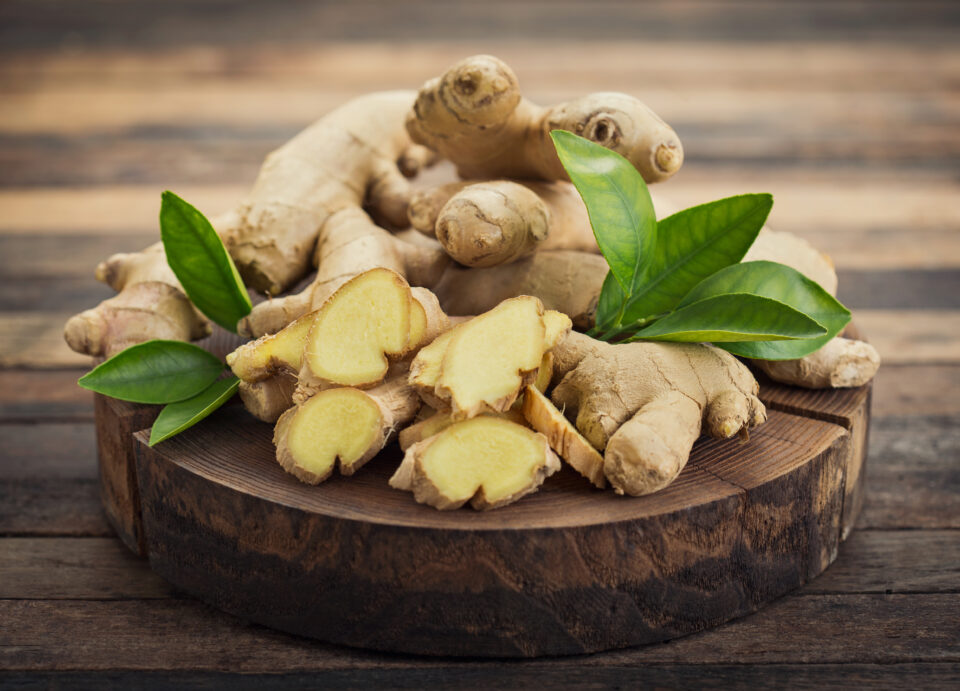
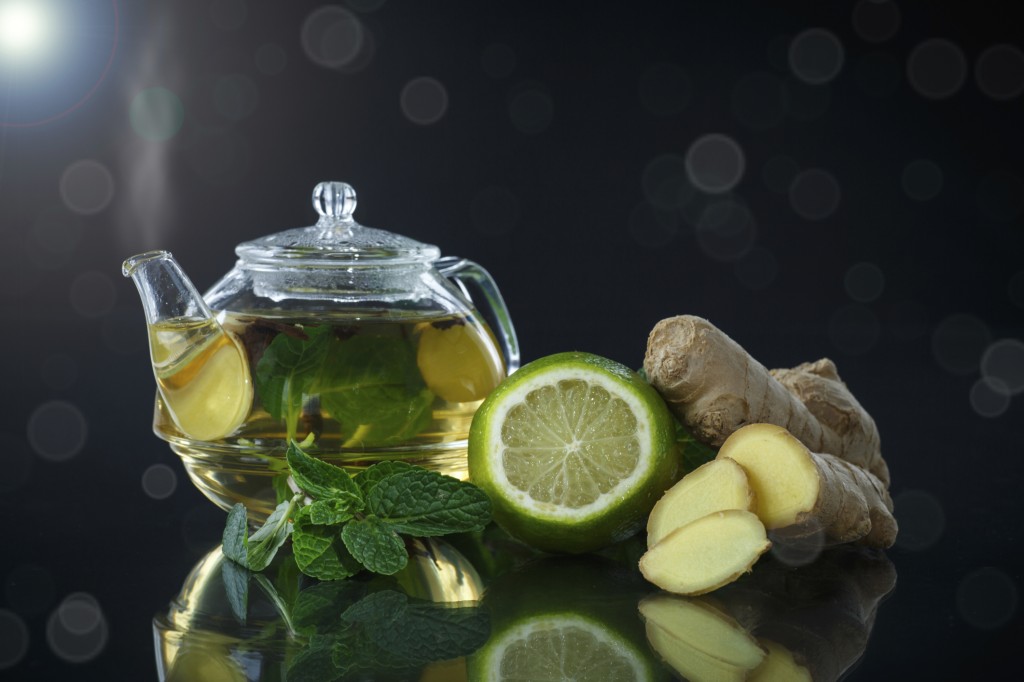
Like many people from Asia, I’ve always loved ginger. Besides tasting wonderful in soups, stir-fries, rice dishes, beverages, and desserts, it’s like a little medicine chest filled with natural remedies and health benefits. Traditional Indian medicine calls ginger the “universal remedy,” and for good reason. It’s commonly used to relieve nausea, stimulate circulation, relax muscles, ease pain, and reduce inflammation.
As a child, my mother would make a comforting Chinese porridge with ginger when I wasn’t feeling well, or she’d boil fresh ginger with honey to create a soothing tea for coughs and sore throats. To this day, I still find ginger tea incredibly calming. There are so many ways ginger can detoxify, help heal, and simply make you feel better.
Today, ginger continues to show up in a wide variety of foods and beverages—from teas and tonics to yogurts, juices, and even savory staples. What makes ginger so special is its ability to enhance flavor while also delivering powerful health benefits. It adds depth and brightness to recipes, much like a pinch of salt, while supporting overall wellness.
 The benefits of ginger are impressive.
Ginger:
-
Has demonstrated anti-cancer activity in research published in the British Journal of Nutrition, with studies suggesting it may play a role in managing certain cancers, including prostate cancer, and may help combat tumors in the pancreas, ovaries, colon, breast, lungs, and skin.
-
Helps relieve nausea associated with post-surgery, morning sickness, motion sickness, or chemotherapy—simply chewing a small piece can be effective.
-
May reduce menstrual cramps, with some studies suggesting it can be as effective as ibuprofen.
-
Is a good source of vitamin C, magnesium, potassium, copper, and manganese.
-
Contains antibacterial, antiviral, antioxidant, and anti-parasitic properties, helping protect the body from damaging free radicals.
-
Supports detoxification by stimulating circulation.
-
 Can help open up nasal passages and relieve congestion when used in tea with honey.
 -
Promotes sweating, which may help the body eliminate toxins during a cold or flu.
-
Aids digestion and helps reduce gas and bloating.
-
May relieve joint pain and reduce inflammation associated with conditions like asthma.
-
Has shown potential in reducing the severity of migraine headaches, with some evidence suggesting effects similar to certain medications but with fewer side effects.
-
Is even considered an aphrodisiac in traditional Ayurvedic medicine.
Ginger is so delicious, healthful, and versatile, you’ll always want to keep some on hand. Fresh gingerroot has the highest concentration of active compounds, but dried and cooked ginger also retain many of its healing properties. When using fresh ginger, simply peel what you need, then store the remaining root in the refrigerator for future use.
You’ll find ginger featured in several recipes in my cookbook, FOODTRIENTS – Age-Defying Recipes for a Sustainable Life, including savory Buckwheat Crepes, hearty Cornish Game Hen and Brown Rice Stew, exotic Shrimp and Moringa Curry, and Tilapia Fillets with Cilantro.
Here are a couple of simple recipes featuring gingerroot that you can enjoy anytime:
 Gingerroot Black Tea
¼ inch gingerroot, peeled and sliced thinly
2 black teabags
2 cups boiling water
2 rock sugar stirrers (optional)
- Combine the gingerroot and the teabags in a pitcher with the boiling water. Steep for 1-3 minutes; strain
- Pour into two teacups; serve with rock sugar stirrers, if desired
 Tangy Ginger Dressing
1 Tbs. grated gingerroot
1Tbs. soy sauce
1Tbs. mirin (seasoned rice wine)
1 Tbs. sesame oil
Dash of pepper
Combine all the ingredients in a container with a tight-fitting lid and shake until well blended.
This dressing is great with my Green Tea Noodles with Edamame, Spinach and Grapefruit Salad or any green salad.