
Your Gut Is Your Second Brain: How Food Affects Mood, Stress, and Aging

 We often think of our brain as the center of how we feel—our mood, our stress, our energy.
But there is another system in the body quietly influencing all of these: the gut.
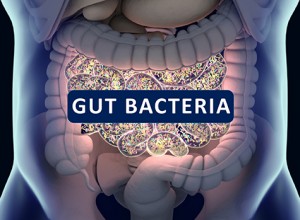
Often referred to as the “second brain,” the gut is home to trillions of microorganisms that play a vital role in how we feel each day—not just physically, but emotionally as well.
I’ve always believed that the foods we choose each day are deeply connected to how the body functions as a whole. One of the most powerful of these connections is the one between the gut and the brain.
 The Gut-Brain Connection
The gut and brain are in constant communication through what is known as the gut-brain axis.
This connection helps regulate:
- Mood
- Stress response
- Sleep
- Cognitive function
In fact, much of the body’s serotonin—often called the “feel good” chemical—is produced in the gut.
When the gut is in balance, we tend to feel more steady, energized, and clear. When it’s not, we may notice changes in mood, increased stress, or fatigue.
 How Stress Affects the Gut
In our recent conversation about cortisol, we explored how chronic stress can impact the body.
The gut is one of the first places where that impact shows up.
Ongoing stress can:
- Disrupt the balance of gut bacteria
- Affect digestion
- Increase inflammation
Over time, this imbalance can influence not only physical health, but also how we feel emotionally.
 Why Fiber Plays Such an Important Role
As we shared in our article on fiber, this essential nutrient does far more than support digestion.
Fiber helps nourish the beneficial bacteria in the gut—allowing them to thrive and support the body in meaningful ways.
This is one of the reasons fiber is so important for:
- Gut health
- Reducing inflammation
- Supporting mood and energy
Simple foods like vegetables, legumes, seeds, and whole grains provide the kind of nourishment your gut needs every day.
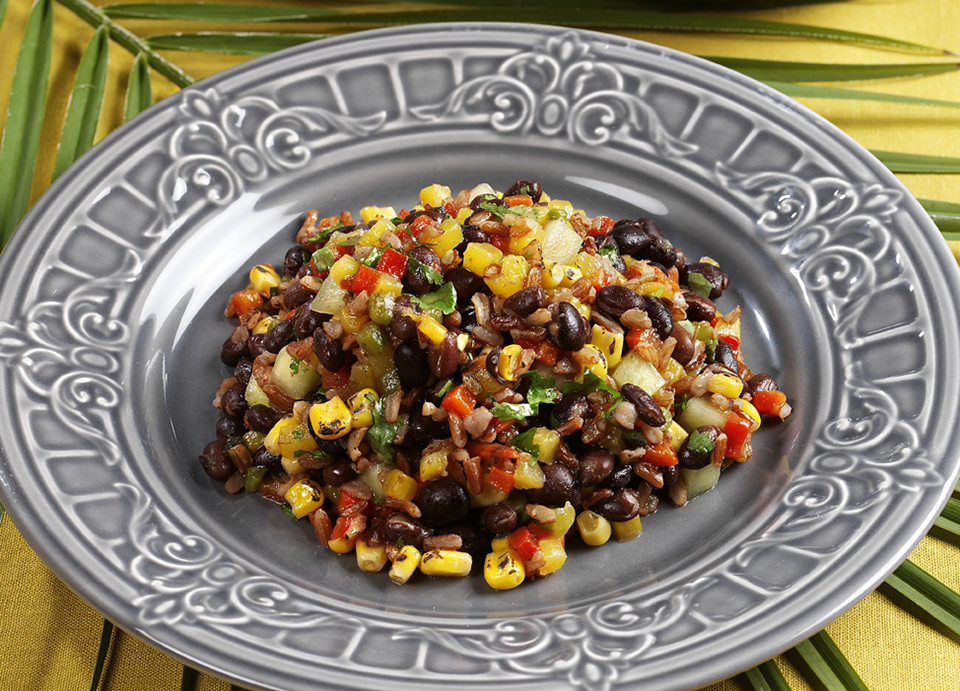
FoodTrients recipe: Black Bean Salad
 Foods That Support the Gut and Mind
Caring for your gut doesn’t require complicated changes. It begins with simple, whole foods that gently support balance.
Some of the most supportive foods include:
- Fiber-rich foods: vegetables, lentils, beans, berries
- Fermented foods: yogurt, kefir, kimchi, sauerkraut
- Healthy fats: olive oil, nuts, seeds
- Magnesium-rich foods: leafy greens, seeds, legumes
These foods work together to nourish the gut, support the nervous system, and help the body feel more balanced.
FoodTrients recipe: Atchara Pickle
 A Gentle Approach to Better Balance
There is no need to change everything at once. Small, consistent steps can have a meaningful impact:
- Add one fiber-rich food to each meal
- Include fermented foods a few times a week
- Focus on whole, minimally processed ingredients
Over time, these simple choices help support both the body and the mind.
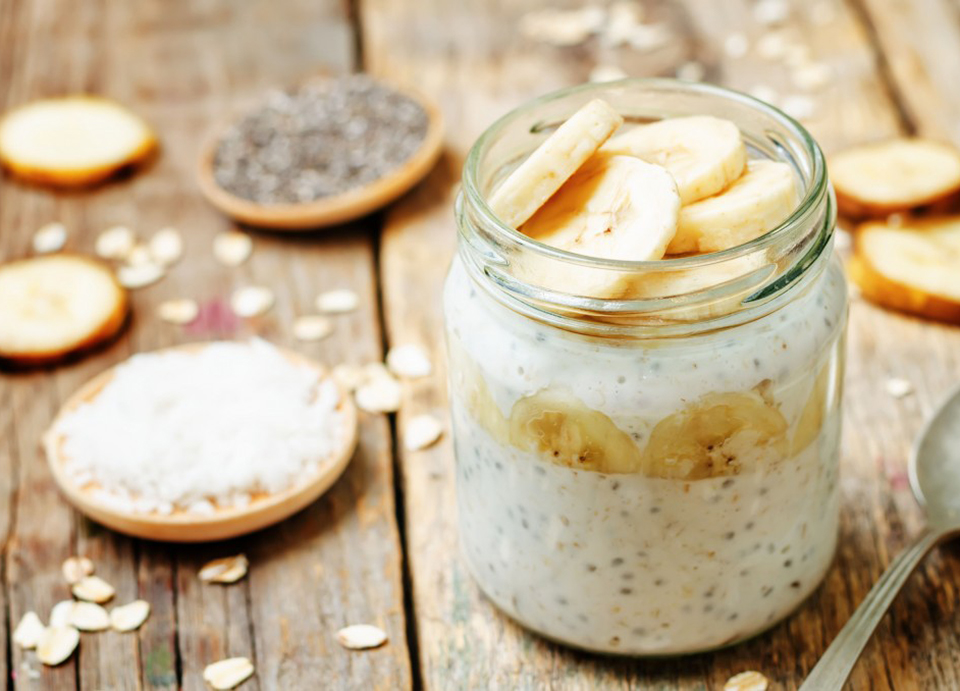
FoodTrients recipe: Coconut Chai Oatmeal
FoodTrients Takeaway
The connection between the gut and the brain reminds us that how we feel is deeply influenced by what we eat. By choosing foods that nourish the gut, we are also supporting our mood, our stress levels, and our long-term health.
Get all the FoodTrients recipes for Gut Health.