
30 Plants a Week: A Simple Longevity Habit

Forget the latest superfood craze. Nutrition experts say one of the simplest ways to support a healthy gut—and potentially a longer, healthier life—is by eating a wider variety of plant foods every week.
When people think about longevity, they often picture expensive supplements, restrictive diets, or the latest “miracle” superfood. But researchers studying the gut microbiome are pointing to something much simpler: variety.
Instead of focusing on one “perfect” food, scientists have found that people who eat a greater diversity of plant foods tend to have more diverse gut bacteria—a hallmark of a healthier microbiome. Since gut health has been linked to immunity, inflammation, metabolism, and even brain health, the humble goal of eating 30 different plant foods each week is gaining attention as a practical wellness habit.
 Why 30?
The idea comes from large-scale microbiome research, which found that people who consumed 30 or more different plant foods per week tended to have a richer and more diverse gut microbiome than those who ate fewer than 10. Diversity appears to be more important than loading up on the same “healthy” foods every day.
Fortunately, “plant foods” include far more than fruits and vegetables.
What Counts as a Plant?
Many people are surprised to learn that all of these count toward your weekly total:
- Fruits
- Vegetables
- Leafy greens
- Whole grains
- Beans and lentils
- Nuts
- Seeds
- Fresh herbs
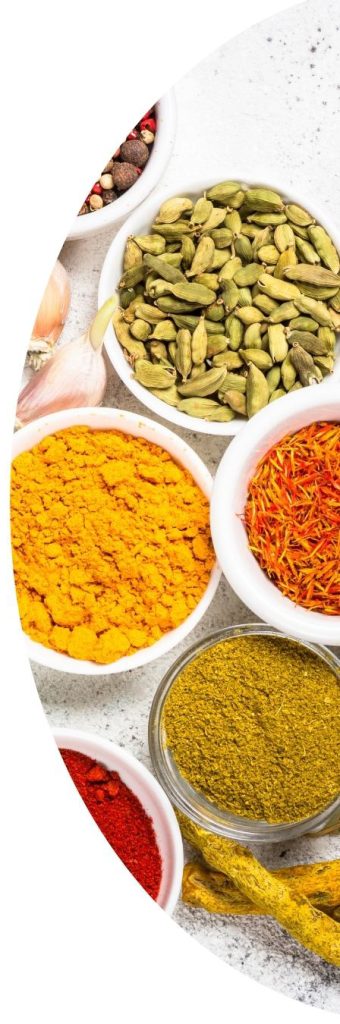
- Dried spices
- Mushrooms
- Olives
- Avocados
Even small amounts matter. A sprinkle of parsley, cinnamon in your oatmeal, sliced almonds on a salad, or black beans in a soup each count as separate plant foods.
The Benefits Go Beyond Digestion
A diverse gut microbiome has been associated with:
- Better digestion
- Stronger immune function
- Reduced inflammation
- Improved blood sugar regulation
- Better heart health
- Healthy aging
- Potential protection against cognitive decline
Researchers continue to uncover connections between gut bacteria and overall health, making plant diversity an exciting area of nutrition science.
 Why 30?
The idea comes from large-scale microbiome research, which found that people who consumed 30 or more different plant foods per week tended to have a richer and more diverse gut microbiome than those who ate fewer than 10. Diversity appears to be more important than loading up on the same “healthy” foods every day.
Fortunately, “plant foods” include far more than fruits and vegetables.
What Counts as a Plant?
Many people are surprised to learn that all of these count toward your weekly total:
- Fruits
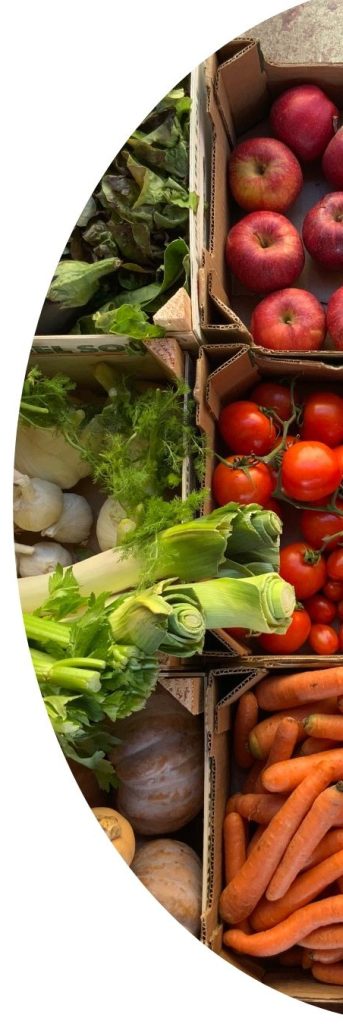
- Vegetables
- Leafy greens
- Whole grains
- Beans and lentils
- Nuts
- Seeds
- Fresh herbs
- Dried spices
- Mushrooms
- Olives
- Avocados
Even small amounts matter. A sprinkle of parsley, cinnamon in your oatmeal, sliced almonds on a salad, or black beans in a soup each count as separate plant foods.
The Benefits Go Beyond Digestion
A diverse gut microbiome has been associated with:
- Better digestion
- Stronger immune function
- Reduced inflammation
- Improved blood sugar regulation
- Better heart health
- Healthy aging
- Potential protection against cognitive decline
Researchers continue to uncover connections between gut bacteria and overall health, making plant diversity an exciting area of nutrition science.
 Easy Ways to Reach 30
The number may sound intimidating, but it adds up quickly.
Try these simple ideas:
Breakfast
- Oats
- Blueberries
- Walnuts
- Chia seeds
- Cinnamon
That’s five plants before 9 a.m.
Lunch
- Spinach
- Tomatoes
- Cucumbers
- Chickpeas
- Red onions
- Olive oil
- Basil
Now you’re already at 12.
Dinner
Add roasted broccoli, sweet potatoes, quinoa, black beans, avocado, cilantro, and peppers, and you’ll easily surpass 20.
Snacks like apples, pistachios, grapes, carrots, hummus, or edamame help fill in the rest throughout the week.
It’s About Variety, Not Perfection
You don’t have to hit 30 every week to benefit. The goal isn’t perfection—it’s gradually expanding the range of plant foods you enjoy.
Try swapping white rice for farro, adding fresh herbs to meals, experimenting with new vegetables at the farmers market, or rotating different beans and whole grains throughout the week.
Every new plant brings a unique mix of fiber and phytonutrients that helps nourish the trillions of beneficial microbes living in your digestive system.
The FoodTrients 30-Plant Challenge
This week, keep a running tally of every different plant food you eat. Remember, fruits, vegetables, whole grains, beans, herbs, spices, nuts, and seeds all count. Don’t worry about perfection—just aim to add one or two new plant foods each day. By the end of the week, you might be surprised to see you’ve reached 30, all while enjoying a more colorful, flavorful, and nutrient-rich diet.
Looking for an easy way to add more plant diversity to your plate? Try our featured FoodTrients recipe, [Recipe Name], packed with colorful vegetables, herbs, whole grains, and healthy ingredients that help you get one step closer to your 30-plant goal.