
 Health
Fermented Foods: From Tradition to Trend
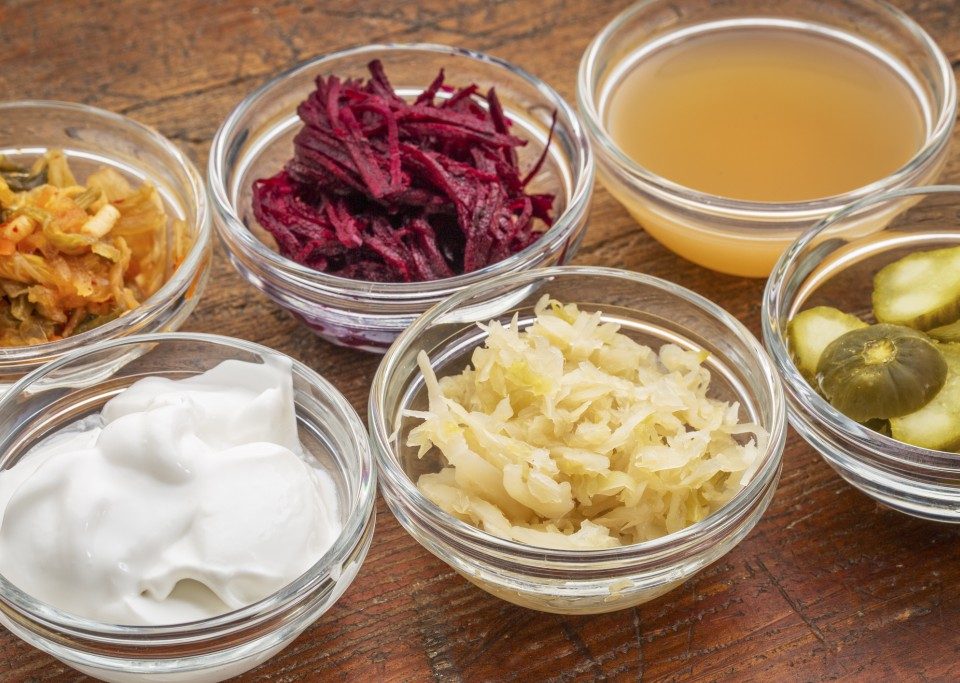
Where delicious meets nutritious. Long before fermented foods became a wellness trend, they were simply part of life in my family’s kitchen. When I was a teenager in the Philippines, my mother and I made atchara together—a sweet-and-sour relish traditionally made with green, unripe papaya and colorful vegetables. We would grate the papaya into long, thin strips, add carrots and other vegetables for color and crunch, and prepare a tangy mixture with vinegar, ginger, garlic, and a little sweetness. I can still remember working beside her in the kitchen. We made sweet and salty pickled cucumbers, too. And because German […]READ MORE
December 9, 2014
Published by Life Extension
Having food or drinks from cans lined with the chemical Bisphenol A (BPA) could heighten your blood pressure, says a new study. BPA, a chemical used as an epoxy lining for cans and plastic bottles, is everywhere, and its consumption has been associated with high blood pressure and heart rate variability. Study author Dr. Yun-Chul Hong at Seoul National University College of Medicine in South Korea, said that a 5 mm Hg increase in systolic blood pressure by drinking two canned beverages may cause clinically significant problems, particularly in patients with heart disease or hypertension. A 20 mm Hg increase in systolic blood pressure doubles […]
December 2, 2014
Published by Life Extension
Any meat (including fish) cooked at high temperatures creates dangerous carcinogens. Scientists looked at men whose diets included high intake of red meat cooked at high temperatures, pan-fried, or well-done. Their findings published in 2012 showed specific gene expression changes that predisposed these men to advanced prostate cancer. These kinds of studies show that one can exert a degree of control over their cell regulatory genes by avoiding overcooked meats. Aggressive malignancies are those that rapidly propagate, infiltrate and metastasize. A 2011 study evaluated almost 1,000 men and found that higher consumption of any ground beef or processed meats was associated with an increased risk of aggressive prostate cancer. Men who ate […]
November 25, 2014
Published by Life Extension
Enhancing your diet with nutritional supplements will get you closer to optimal health then diet and exercise alone. Now as a reader of this blog, there’s a good chance that you already agree. But why, exactly, is this the case? Because the food we eat, even if fresh and organic, does not have the same nutritional value as it used to. Simply put, the American soil is sick and is producing nutrient poor food. Supplement With an Ideally Dosed Multivitamin The very first and most essential supplement is an ideally dosed daily multivitamin. I once asked a friend of mine if […]
November 25, 2014
Published by Dr. Mark Rosenberg
Fall’s here and so is the colder, damper weather. For my patients and readers with arthritis that means increased joint aches and pains. It also often means the inability to stay as active as you’d like too. That’s why I want to tell you about a tiny seafood that’s research proven to knock out arthritis pain. It even helps rebuild joints. The Tiny Seafood Supplement with Huge Arthritis Benefits The native Maori Indian peoples have lived in coastline communities in New Zealand for centuries. Not long ago medical researchers started to study them because of their almost non-existent levels of […]
November 18, 2014
Published by Life Extension
Powerful Pain Relief, Cancer Defense, and Neuroprotection Growing concerns about the gastrointestinal and cardiovascular risks of common pain-relieving drugs are leading many health-conscious adults to avidly seek safe, effective ways of beating inflammation and pain. Exciting evidence suggests that delicious tart cherries offer powerful pain relief and may also safeguard against cancer and neurodegenerative conditions. Whether consumed fresh, frozen, or in canned or juiced forms, tart cherries are rich in nutritive compounds and powerful flavonoids. Flavonoids—colorful compounds found in many fruits and vegetables—are attracting growing attention for their antioxidative activity, free-radical scavenging capacity, and anticancer effects. A special class of […]
November 11, 2014
Published by Life Extension
Cabbage, which is often lumped into the same category as lettuce because of their similar appearance, is actually a part of the cruciferous vegetable family. Cruciferous vegetables like cabbage, kale and broccoli are notorious for being chock-full of beneficial nutrients. If you are trying to improve your diet, cruciferous vegetables should be at the very top of your grocery list. Cabbage can vary in color from green to red and purple, and the leaves can be smooth or crinkled. With less than 20 calories per half cup cooked, it is a vegetable worth making room on your plate for. This MNT Knowledge […]
November 11, 2014
Published by Life Extension
If you have ever wondered why you see so many TV commercials for heartburn medications such as Prilosec®, Tagamet®, and Tums®, it is because a startling 40% of the adult population suffers from a condition known medically as gastro-esophageal reflux disease (GERD). For some people, heartburn causes minor discomfort after eating, while others experience pain so intense that they rush to an emergency room fearing a heart attack. A common misconception is that heartburn is caused only by excess stomach acid that regurgitates back up into the esophagus. What few doctors realize is that when the sphincter muscle at the […]
November 11, 2014
Published by CeliAct
We all dream of our babies inheriting what we consider our best qualities: patience, spontaneity, cleverness, or ocean blue eyes. What we don’t want is to pass celiac on to our little ones. Many parents have this concern, and there is a lot of new research and information available that better clarifies what we need to know about babies and celiac. What are the symptoms? When should my baby be tested? Should I give my baby gluten, or avoid it entirely? Is there anything I can do to help prevent celiac from developing? There may just be. Celiac, which […]
November 4, 2014
Published by Life Extension
Although celery is often a complimentary addition to soups and dishes, its substantial health protection makes it a star player in any meal. Each stalk of celery, along with its seeds and leaves, contains vitamin K, folate, vitamin A, potassium, vitamin C, and molybdenum.
November 4, 2014
Published by Life Extension
An article that appeared in the journal Allergy on October 3, 2014 revealed an association between vitamin D deficiency and the risk of asthma exacerbations. The study included 307,900 men and women whose serum 25-hydroxyvitamin D levels were measured between 2008 and 2012. Among them, 21,237 had been diagnosed with asthma. Asthma exacerbations were considered to have occurred among subjects who were prescribed oral corticosteroids, who received more than five prescriptions for short acting beta agonists, or who had more than four asthma-related physician visits. Although vitamin D levels were similar between asthmatics and nonasthmatics, vitamin D deficiency in the asthmatic population was associated […]
November 4, 2014
Published by Life Extension
A study scheduled for publication in the Clinical Journal of the American Society of Nephrology has found that consuming a Mediterranean-style diet is associated with a lower risk of chronic kidney disease, a progressive disease affecting over 20 million adults in the US. The diet is characterized by a high intake of vegetables, fruit, legumes, fish and healthy fats, and lower amounts of red meat, processed foods and sugar. “Many studies have found a favorable association between the Mediterranean diet and a variety of health outcomes, including those related to cardiovascular disease, Alzheimer’s disease, diabetes, and cancer, among others,” noted lead researcher Minesh […]
October 28, 2014
Published by Life Extension
A study reported online on September 19, 2014 in the Journal of Human Nutrition and Dietetics reveals widespread failure among most U.S. adults to obtain sufficient amounts of important nutrients in their diets. Ruopeng An of the University of Illinois at Urbana-Champaign and his colleagues evaluated data from 11,811 men and women enrolled in the National Health and Nutrition Examination surveys 2007-2008 and 2009-2010. Over 4,200 subjects qualified as disabled. Twenty-four hour dietary recall questionnaire responses were analyzed for nutrient in intake from food and supplements. “We conducted statistical analyses to compare people with and without disabilities in terms of nutrient intake,” […]
October 28, 2014
Published by Life Extension
A new study suggests that women who ate a diet high in fresh fruits and vegetables as young adults were much less likely to have plaque buildup in their arteries 20 years later, compared with those who consumed lower amounts of these foods. This new finding reinforces the importance of developing healthy eating habits early in life. Previous studies have found that middleaged adults whose diet consists of a high proportion of fruits and vegetables are less likely to have a heart attack or stroke, but the relationship between fruit and vegetable consumption during young adulthood and heart disease later […]