
 Health
Fermented Foods: From Tradition to Trend
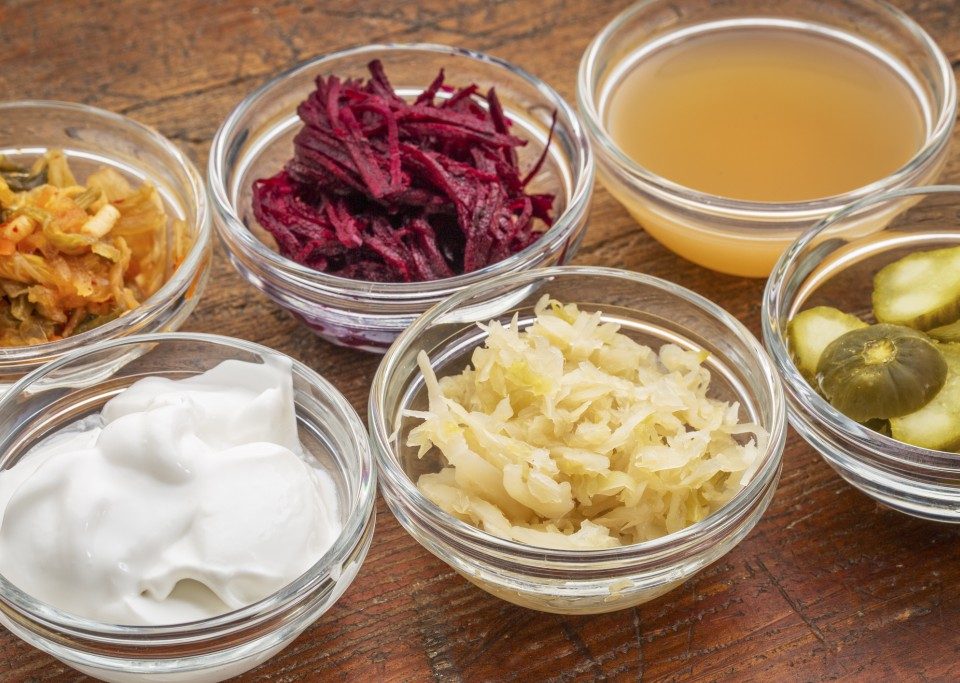
Where delicious meets nutritious. Long before fermented foods became a wellness trend, they were simply part of life in my family’s kitchen. When I was a teenager in the Philippines, my mother and I made atchara together—a sweet-and-sour relish traditionally made with green, unripe papaya and colorful vegetables. We would grate the papaya into long, thin strips, add carrots and other vegetables for color and crunch, and prepare a tangy mixture with vinegar, ginger, garlic, and a little sweetness. I can still remember working beside her in the kitchen. We made sweet and salty pickled cucumbers, too. And because German […]READ MORE
October 28, 2014
Published by Dr. Mark Rosenberg
I often see patients who assume that forgetfulness, dry skin, impaired memory and other symptoms are just part of getting older. They’re surprised when I suggest that the lack of essential fatty acids may be at the root of their problems. Most of my patients have heard of essential fatty acids, but many of them don’t know what they are or why they are important. Fatty acids make up the food group we normally call fats. Essential fatty acids are those you must get from your diet. They are necessary for life but cannot be made by your body. EFA’s […]
October 22, 2014
Published by FoodTrients
On Wednesday, October 8, San Clarita Valley area doctors, nurses and other healthcare professionals participated in the second annual New Roads to Health seminar. The event, which kicked off a series of lectures in the Los Angeles area, was held in honor of the Founders Day celebration of G&E Healthcare Services, and was sponsored by FoodTrients.com in cooperation with Henry Mayo Hospital in Valencia. It was hosted by Grace Mercado Ouano (Grace O) and took place at the state-of-the-art Henry Mayo Education Center. Featuring experts in the fields of nutrition, health and light therapy, the event was held in order […]
October 21, 2014
Published by Dr. Mark Rosenberg
Alzheimer’s disease affects over 13 million people worldwide. Many of my patients fear this most common form of dementia, and with good reason. The disease is not completely understood, and it is not possible to predict who will fall victim. With treatment costs for Alzheimer’s topping 100 billion dollars in the United States alone, the medical community is eager to unlock the mysteries of this disease. In my review of recent studies on Alzheimer’s, I found plenty of promising news. A handful of studies show that your eating habits in middle age can have an effect on your Alzheimer’s risk. […]
October 16, 2014
Published by FoodTrients
Click Here: 2014 New Roads To Health 2 Up Complete
October 14, 2014
Published by CeliAct
I think this is the most excited I’ve ever been for the development of a product to help us folks who eat a gluten-free diet. Do I have you on the edge of your seat now? A company called 6SensorLabs is currently building a device which will allow you to check your food for gluten and see the results in real-time on your mobile phone. This is huge news, because I (and many of you) get sick and worry about getting sick far too often. Even the most well-intentioned wait staff and chefs are sometimes unaware of gluten hiding in […]
October 14, 2014
Published by Life Extension
Women who munch a bar of chocolate every week could cut stroke risk by 20 percent. The finding is based on a study of more than 33,000 Swedish women who ate the most chocolate but had the lowest chance of stroke. People who ate 66 grams per week, about a bar and a half, were 20 percent less likely to suffer a stroke, while those who consumed eight grams a week or less were at the highest risk, reports the Journal of the American College of Cardiology. The findings bolster previous studies that highlight the benefits of eating chocolate and cocoa, […]
October 13, 2014
Published by Dr. Mark Rosenberg
I have a patient, I’ll call him Steve, who at the great boomer age of 66 has one of the greatest heads of hair I’ve ever seen. One day I asked Steve his secret and he said he really didn’t do anything special but tried to maintain a healthy diet and lifestyle.
October 7, 2014
Published by Life Extension
The results of a meta-analysis published in a recent issue of the American Journal of Clinical Nutrition add evidence to preliminary findings concerning a protective effect for soy against the development of lung cancer.* Yong-Bing Xiang of Shanghai Jiaotong University School of Medicine and colleagues selected eight case-control and three prospective cohort studies for their review, which included 8,436 cases of lung cancer. The analysis uncovered a 23% reduction in lung cancer risk in association with high versus low soy consumption. When the analysis was limited to five studies of high quality, a 30% reduction was revealed. In analyses of specific groups, […]
October 7, 2014
Published by Life Extension
The November, 2014 issue of the Journal of Functional Foods published a report authored by researchers at England’s Northumbria University that revealed a benefit for tart cherry juice concentrate in reducing factors contributing to painful joints. In a single blinded, two-phase, randomized, cross-over designed study, Dr Glyn Howatson and his colleagues gave 30 milliliters or 60 milliliters Montmorency tart cherry juice to 12 healthy participants twice per day for two days. A washout period of ten days or more separated each phase of treatment. Blood and urine samples were collected before and after treatment. Reductions in serum C-reactive protein (CRP), a marker […]
September 30, 2014
Published by Scrubs
“Seasonal ingredients are bursting from the vines, and that means your options are virtually endless,” says Jeanne Kelley, a Los Angeles-based chef and author. For Kelley, a trip to bountiful is as close as her backyard. Between her garden, chicken coop and beehives, she picks, snips and collects fresh veggies, herbs, eggs and honey to create nature’s best recipes, including the signature salads she shares here. “Salads are hearty enough for dinner, and they’re perfect healthy lunches, especially for people who need a well-balanced meal mid-workday to help them maintain their stamina,” she says. “And contrary to popular belief, salads […]
September 30, 2014
Published by Life Extension
The processed food industry wants you to believe that fructose is a natural, healthy sugar derived from natural plant sources. The science shows something vastly different. In reality, fructose is a harmful toxin that is a key factor in the development of metabolic syndrome in America today. Excessive fructose consumption is responsible for a: 39% increase in abdominal obesity in men. 9% increase in insulin resistance. 11% increased risk of hypertension in men. It also increases your risk of abnormal lipid profiles and inflammation. In fact, the highest consumers of sugar-sweetened beverages have a 20% increased risk of cardiovascular disease! The sweetener industry spends tens of millions of […]
September 30, 2014
Published by Dr. Mark Rosenberg
Like many of my patients, I share a love of oysters. They taste great and are chock full of health benefits such as being low in cholesterol, high in protein and B vitamins
September 23, 2014
Published by Life Extension
Manganese is an essential mineral needed in trace amounts by the human body. It’s involved in the production of energy, bone development, and the synthesis of collagen and protein. The mineral forms part of the antioxidant superoxide dismutase (SOD), an enzyme produced in the body that protects against oxidative stress and is necessary for life. Manganese Deficiencies May Cause Osteoporosis In addition to its vital role in the body’s antioxidant defense, manganese helps protect bones and joints. In the January 2012 issue of Frontiers of Bioscience, it was suggested that manganese deficiency, rather than calcium deficiency, could be the primary cause […]