
GLP-1 Foods That Support Your Body’s Natural Fullness Signals
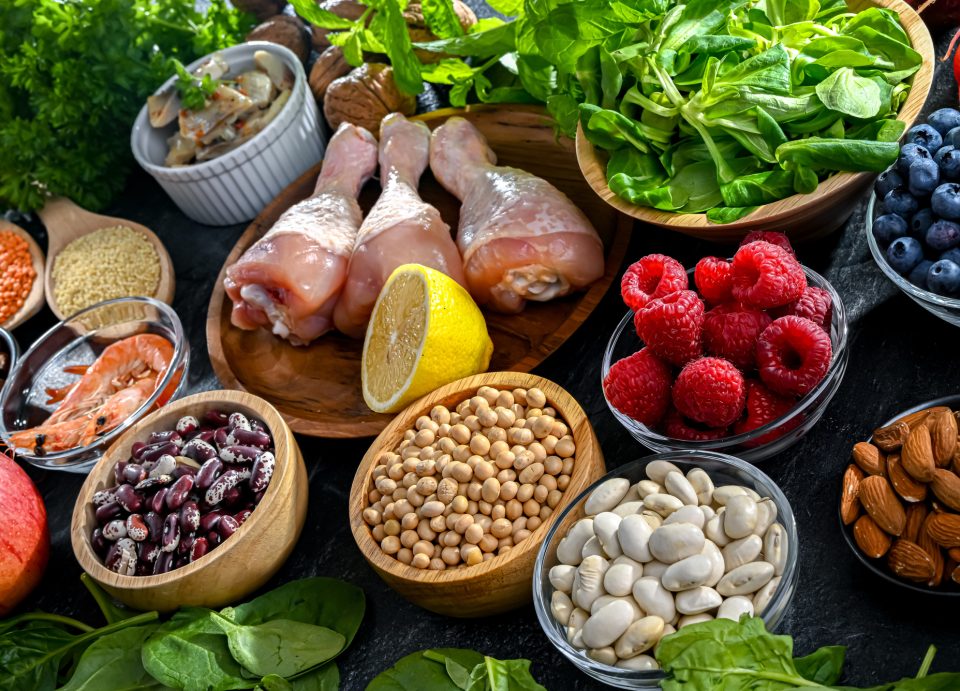
GLP-1 medications have become one of today’s biggest health stories. But long before these medications existed, our bodies were already producing GLP-1 naturally.
GLP-1—short for glucagon-like peptide-1—is a hormone released in the digestive system after we eat. It helps the body manage blood sugar, slows the rate at which food leaves the stomach and sends signals of satisfaction to the brain.
Prescription GLP-1 medications are designed to imitate and extend the activity of this natural hormone. Food cannot reproduce the powerful or long-lasting effects of these medications. However, research suggests that certain nutrients may help support the body’s own GLP-1 response while also promoting steadier energy, digestive health and natural feelings of fullness.
Rather than searching for a single “miracle food,” the most beneficial approach is to build meals around protein, fiber, healthy fats and minimally processed ingredients. These are foods that nourish the body in many ways—and may also help strengthen the natural signals that tell us when we have had enough.
 Begin With Protein
Protein is one of the most satisfying nutrients, and eating it stimulates the release of several digestive hormones, including GLP-1.
Good sources include:
- Chicken and turkey
- Fish and seafood
- Lean Meat
- Eggs
- Greek yogurt and cottage cheese
- Beans, lentils and peas
- Tofu, tempeh and other soy foods
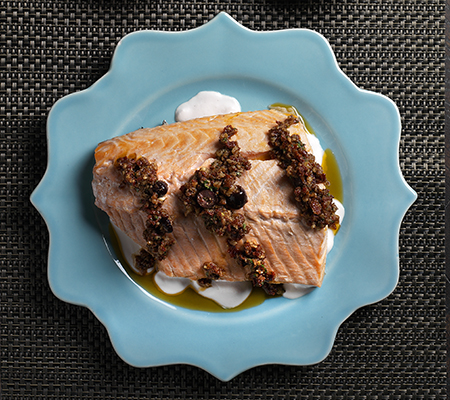
Including protein at every meal can help preserve muscle, stabilize energy and make meals more satisfying. This becomes especially important as we age because maintaining muscle supports strength, mobility and a healthy metabolism. Try this protein-rich FoodTrients recipe Salmon Poached in Pickling Spices.
Fill Up on Fiber
 Fiber slows digestion and helps moderate the rise in blood sugar after a meal. Certain fibers are also fermented by beneficial bacteria in the gut, producing short-chain fatty acids that may help stimulate the body’s release of GLP-1 and other appetite-regulating hormones.
Fiber-rich choices include:
- Beans and lentils
- Oats and barley
- Berries
- Apples and pears
- Artichokes
- Broccoli and leafy greens
- Chia seeds and flaxseeds
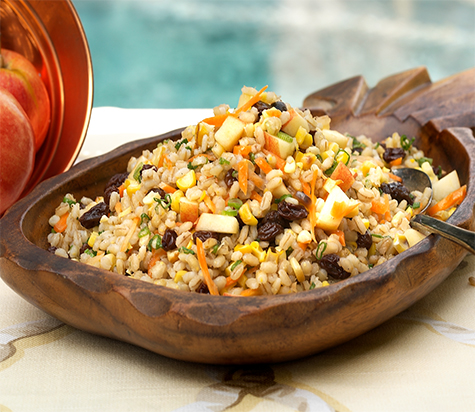
Fiber offers benefits far beyond fullness. It supports digestive regularity, feeds the intestinal microbiome and may help maintain healthy cholesterol and blood sugar levels. Increase fiber gradually and drink plenty of water, particularly if your current diet is relatively low in fiber. Support your body’s natural fullness signals with Apple Barley Salad a delicious fiber rich FoodTrients recipe.
Discover Resistant Starch
 Resistant starch is a type of carbohydrate that resists digestion in the small intestine. It travels to the large intestine, where it can feed beneficial gut bacteria and support the production of short-chain fatty acids.
Sources of resistant starch include:
- Beans, chickpeas and lentils
- Slightly green bananas
- Oats
- Cooked-and-cooled potatoes
- Cooked-and-cooled rice
- Cooked-and-cooled whole grains
Did you know? Cooling certain cooked starches changes some of their structure, making them more resistant to digestion. They can be enjoyed cold in salads or gently reheated.
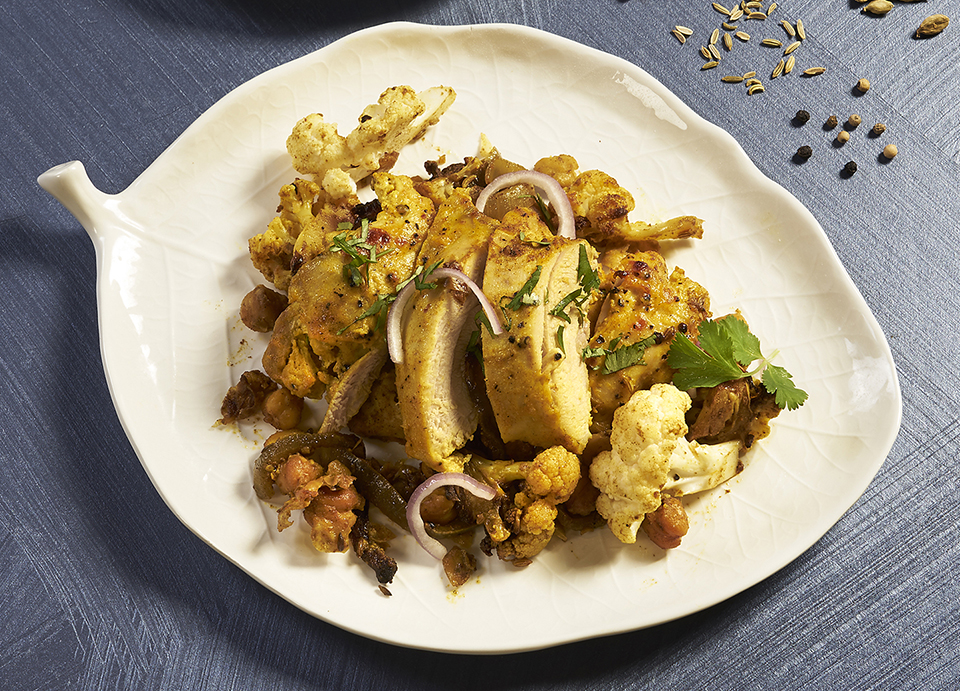
Resistant starch is not a replacement for portion awareness, but it can be one useful component of a fiber-rich, gut-supportive diet. Indian Sheet Pan Chicken with Chickpeas features resistant starch and is balanced with protein.
 Include Healthy Fats
Healthy fats help make food flavorful and satisfying. Fat entering the digestive system can also contribute to the release of fullness hormones, including GLP-1.
Choose primarily unsaturated fats from foods such as:
- Extra-virgin olive oil
- Avocados
- Almonds, walnuts and pistachios
- Chia, flax, pumpkin and sesame seeds
- Salmon, sardines and other fatty fish
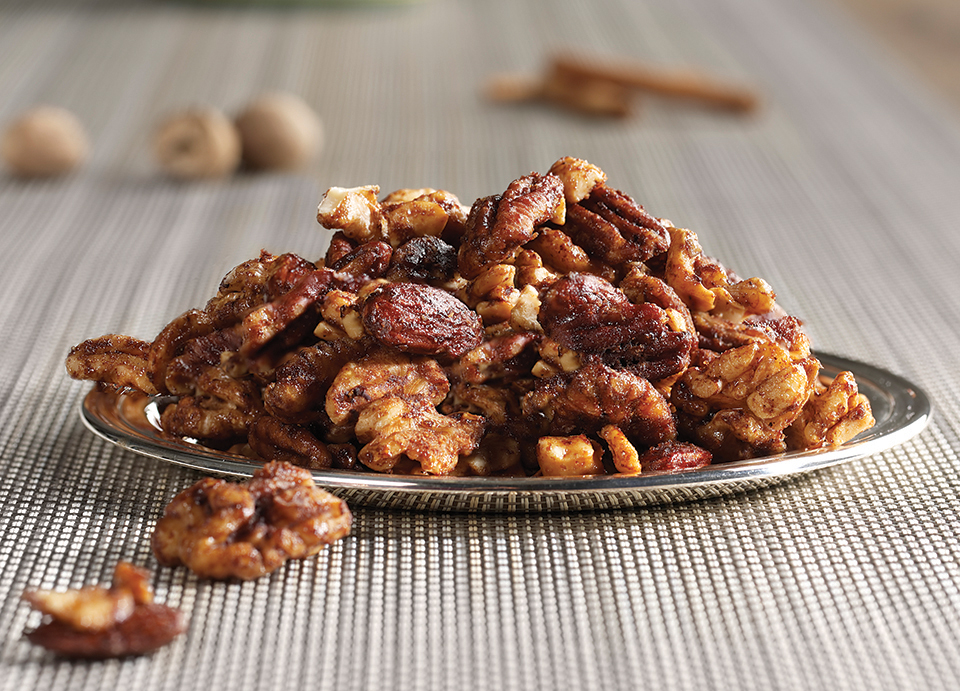
Because fats are concentrated sources of energy, a modest amount can add both nutrition and staying power to a meal. Enjoy healthy fats in this satisfying FoodTrients snack: Spicy Candied Walnuts.
 Feed the Gut
The relationship between GLP-1 and the intestinal microbiome is an exciting area of research. A diverse community of beneficial bacteria appears to influence metabolism, inflammation and communication between the digestive system and the brain.
A variety of plant foods helps support this diversity. Vegetables, fruits, beans, whole grains, nuts, seeds, herbs and spices each provide different fibers and plant compounds.
Fermented foods such as plain yogurt, kefir, sauerkraut, kimchi and miso can also be part of a gut-supportive eating pattern.
The goal is not to find one perfect ingredient. It is to eat a broad range of colorful, minimally processed foods over time – Eat the Rainbow!
Nourish your gut with this FoodTrients recipes: Atchara Pickle.
 Build a GLP-1-Supportive Plate
A satisfying plate does not need to be complicated. Begin with a source of protein, add plenty of fiber-rich vegetables, include a high-quality carbohydrate and finish with a small amount of healthy fat.
That might look like:
- Salmon with lentils, roasted vegetables and an olive oil dressing
- Greek yogurt with berries, chia seeds and walnuts
- An egg and vegetable scramble with avocado and beans
- A barley bowl with greens, chickpeas and tahini
- Chicken or tofu with broccoli, brown rice and sesame seeds
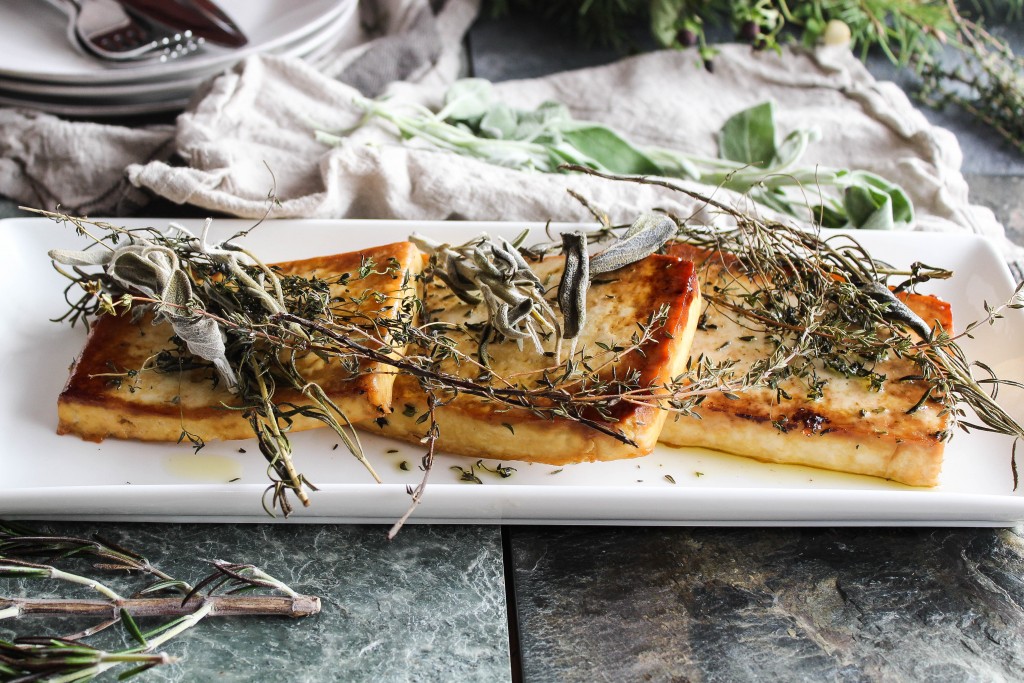
Combining these foods is more meaningful than focusing on any single ingredient. Protein, fiber and healthy fat work together to slow digestion, support steady energy and make a meal more satisfying. Try one this nourishing FoodTrients favorites: Maple Herb Roasted Tofu.
Food and GLP-1 Medications Are Not the Same
It is important to distinguish between supporting the body’s natural GLP-1 production and taking a prescription GLP-1 medication. Food does not deliver the same effects and should not be presented as a substitute for medical treatment prescribed by a doctor.
For people using GLP-1 medications, nourishing food remains essential. Because these medications can significantly reduce appetite, it may be especially important to prioritize protein, hydration, fiber and nutrient-dense foods. Anyone taking medication should discuss individual nutritional needs and side effects with a qualified healthcare professional.
A Nourishing Approach to Fullness
The science surrounding GLP-1 continues to develop, but the broader nutritional message is reassuringly familiar: eat enough protein, choose fiber-rich plants, include healthy fats and care for the intestinal microbiome.
These foods do not offer a shortcut or a quick fix. They offer something more lasting—a way to nourish the body, support its natural signals and create meals that are both satisfying and delicious.
That has always been at the heart of the FoodTrients philosophy: choosing foods not only for how they taste, but for how they help us feel, function and thrive.
Bring these benefits to your table with these FoodTrients recipes (click on link).