
 Health
Fermented Foods: From Tradition to Trend
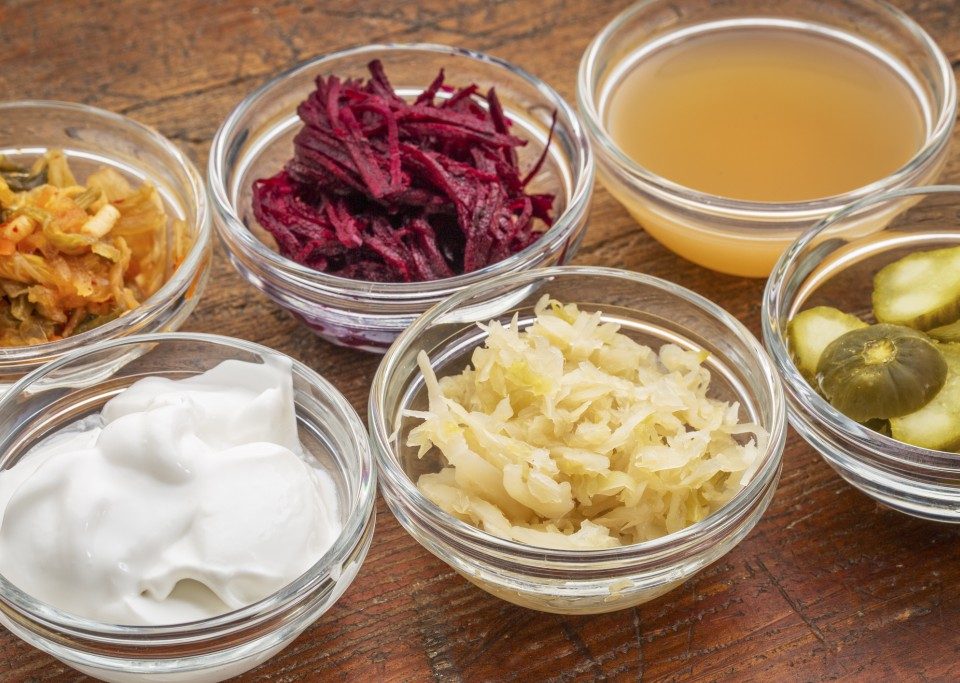
Where delicious meets nutritious. Long before fermented foods became a wellness trend, they were simply part of life in my family’s kitchen. When I was a teenager in the Philippines, my mother and I made atchara together—a sweet-and-sour relish traditionally made with green, unripe papaya and colorful vegetables. We would grate the papaya into long, thin strips, add carrots and other vegetables for color and crunch, and prepare a tangy mixture with vinegar, ginger, garlic, and a little sweetness. I can still remember working beside her in the kitchen. We made sweet and salty pickled cucumbers, too. And because German […]READ MORE
July 28, 2020
Published by Dr. Mark Rosenberg
When I explain alternative treatment options to my patients often I get asked this one question “Is there an herb I can
July 28, 2020
Published by FoodTrients
Whether it’s for health reasons or having a medical condition such as celiac disease, more Americans are going gluten-free. Because of this, the market for gluten-free foods is bound to increase–it’s just a matter of how much. Adroit Market Research projects a compound annual growth rate of 9.5% from 2019 to 2025 for a revenue of $6.43 billion by 2025, while Zion Market Research predicts the gluten-free product market will reach $7.6 billion by 2024. As a result, many natural food companies are trying to capitalize on the trend. To understand what is happening in the space, we caught up […]
July 14, 2020
Published by FoodTrients
Modern medicine and human health are at a critical crossroads, and the truth is that you, and not your genes, are in the driver’s seat. You are the one who gets to make informed decisions on how you use and nourish the evolutionary miracle that is your body. Combining analysis of cutting-edge scientific findings with our deepest ancestral wisdom and health-promoting practices, Sayer Ji, founder of GreenMedInfo, offers a time-tested program to help prevent and manage the most common health afflictions of our day — cancer, heart disease, neurodegenerative diseases, and metabolic syndrome. Antiquated thinking and scientific dogma have long […]
July 14, 2020
Published by FoodTrients
Last week, the U.S. Department of Agriculture announced a $19 billion COVID-19 farm and food relief initiative, including $16 billion in direct payments to farmers. These new payments come on top of at least $14 billion in payments made to offset the effects of the Trump administration’s trade war with China and more than $15 billion in ongoing, annual taxpayer-funded farm subsidies. “This rule will pour gasoline on a raging fire in farm country,” said Scott Faber, senior vice president for government affairs at EWG. “Instead of helping small farmers on the verge of extinction, Secretary Perdue’s decision to increase payment limits for corporations to $750,000 will accelerate the […]
June 30, 2020
Published by Dr. Mark Rosenberg
If you’ve been taking calcium supplements as prevention against osteoporosis and then quit because of the concerning findings of previous studies – you may not have needed to, says a new Harvard study. In an earlier Healthy Answers newsletter article [Why You May Want to Stop taking Calcium Supplements, September 2012], I alerted my readers to research findings from both German and New Zealand studies that suggested the possible dangers of taking calcium supplements. Yet, this new study, out of a Harvard Medical School division, the Institute for Aging Research (IFAR) at Hebrew SeniorLife, had quite different findings from these previous studies. […]
June 30, 2020
Published by Ginger Hultin, MS RDN CSO
Most people agree that lavender smells lovely and aids in relaxation but did you know that it has a long history of medicinal, relaxing and anxiety-relieving properties? With peak season occurring from June through August, it is important to review the medicinal, culinary, and modern uses for this calming herb. Read on to learn about the history and modern uses of everyone’s favorite fragrant plant. Dating back to ancient Egypt, Greek and Roman Empires, there are records of lavender being used medicinally and in baths. This plant grows naturally in the Mediterranean region, the Arabian Peninsula, Russia and Africa. It […]
June 30, 2020
Published by FoodTrients
We keep track of passing time by different means—presidential administrations, our children’s movement through grades, fashion eras, simple decades. Life has many eras of growth and health, and if you’re a doctor, like Colorado-based Integrative Practitioner, Robert Rountree, MD, you would focus on physiology: childhood, post-pubertal teens, young adults, middle-aged, elderly. “There are definite differences in nutritional needs that correspond to each of those phases,” says Rountree. And the good doctor is, of course, spot-on. As you age, your nutrition needs change. Here’s where to focus in each decade of life, and the supplements that can help. Ages 0–10: A […]
June 23, 2020
Published by Dr. Mark Rosenberg
When I was a teenager and young adult, drive-in restaurants used to be THE popular place to go. I know they hold a lot of fond memories for my Boomer-aged patients as well as those who spent many summer nights at the local drive-in restaurant with their friends. You’d pull your car in and order a chocolate shake, burger and fries from a speaker and a few minutes later a car hop would bring your food to your car. They’d place it on the tray that attached to your car door; you’d eat your fast foods while you visited with […]
June 16, 2020
Published by Dr. Mark Rosenberg
In the past few decades, more information has come to light about the role of viruses and bacteria in the development of certain diseases. Now researchers have been able to create type 2 diabetes (T2D) in lab animals just by exposing them to this skin superbug. If you, or a loved one, have type 2 diabetes, you’ll want to know about these new findings… Targeting A Skin Superbug Could Prevent/Treat Type 2 Diabetes In the last few decades, medical researchers have learned that cervical cancer is actually caused by certain strains of the human papilloma virus. Stomach ulcers are now […]
June 6, 2020
Published by FoodTrients
For over a decade, the Environmental Working Group’s Guide to Sunscreens has helped us see the light when it comes to choosing a safe and effective sun care product. While almost three-fourths of the products analyzed were found to offer inferior sun protection or potentially harmful ingredients such as oxybenzone, it wasn’t all bad news in this year’s report. Mineral sunscreens are on the rise, and top-rated products lived up to their claims by using nontoxic and effective ingredients. Other rising trends include non-GMO formulations and sun-protective clothing. These nine picks all received a 1 (safest) rating from the EWG. Tips […]
June 2, 2020
Published by Dr. Mark Rosenberg
Recently, many of my patients have asked me about the weight loss properties of saffron extract that
June 2, 2020
Published by Dr. Mark Rosenberg
If you’re over 50, you likely grew up eating beef, a staple of most American diets for the last 50 plus years. I know I did. Steaks on a summer grill and beef hamburgers are as much American tradition as apple pie. It’s the reason we have so many (beef) burger businesses across the United States. But there’s another red meat out there that you probably pass right by at your grocer’s. It not only tastes great but, in many ways, is nutritionally superior to beef. Let me tell you more about this special red meat and why, now that […]
June 2, 2020
Published by FoodTrients
Nearly 70 percent of the fresh produce sold in the U.S. contains residues of potentially harmful chemical pesticides, according to EWG’s analysis of the latest test data from the federal Department of Agriculture. But the dirtiest produce commodity, according to the USDA’s Pesticide Data Program, is not a fresh fruit or vegetable but a dried one – raisins. Raisins didn’t qualify for the Dirty Dozen, since we don’t include processed foods in the list, but if they did, they would top the list by a mile. Ninety-nine percent of conventional raisins tested positive for at least two pesticides, including some […]