
 Health
Fermented Foods: From Tradition to Trend
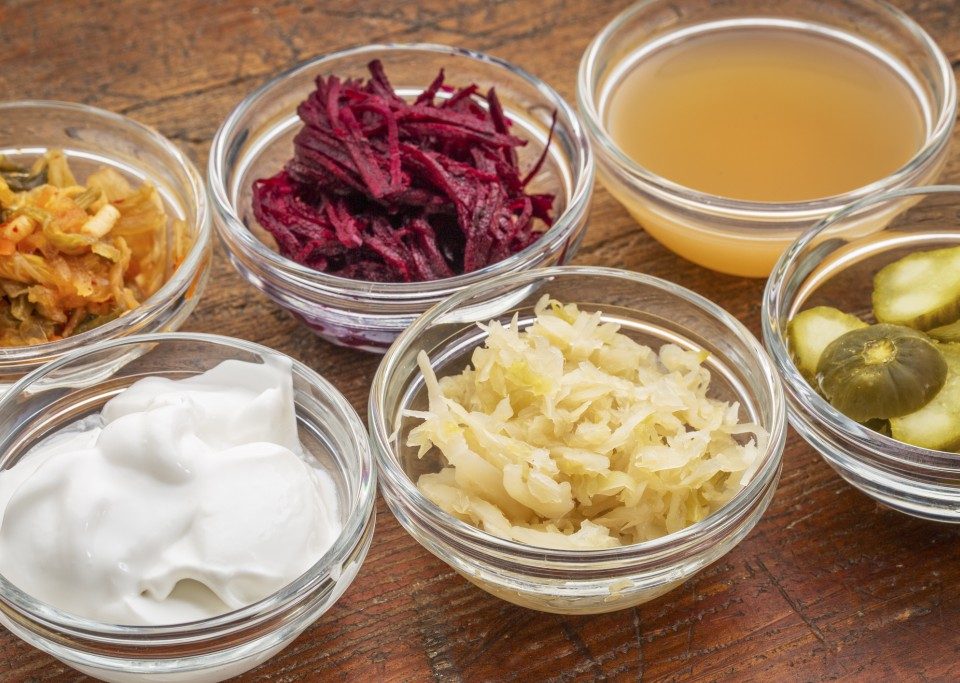
Where delicious meets nutritious. Long before fermented foods became a wellness trend, they were simply part of life in my family’s kitchen. When I was a teenager in the Philippines, my mother and I made atchara together—a sweet-and-sour relish traditionally made with green, unripe papaya and colorful vegetables. We would grate the papaya into long, thin strips, add carrots and other vegetables for color and crunch, and prepare a tangy mixture with vinegar, ginger, garlic, and a little sweetness. I can still remember working beside her in the kitchen. We made sweet and salty pickled cucumbers, too. And because German […]READ MORE
March 21, 2017
Published by FoodTrients
WASHINGTON – Every five years, the government passes an almost-trillion-dollar piece of legislation that profoundly impacts food and farm policy. For decades, big agribusiness has dominated the process, with its interests taking precedence over public health and the environment. Today, to reclaim the debate, the Environmental Working Group and Food Policy Action Education Fund are launching the Plate of the Union campaign. It aims to awaken a new audience of American consumers to become activists for policies that make food safer, make healthy food more accessible and make food production better for our environment. The new initiative will deploy grassroots […]
March 21, 2017
Published by Ginger Hultin, MS RDN CSO
The herb Gingko biloba, or gingko for short, has been used medicinally both in Europe and the U.S. since the 1700s though it is native to China, Japan and Korea. Though it is one of the most frequently prescribed herbal remedies in Germany currently, there is evidence of ancient Chinese healers describing this herbs medicinal properties. Used to treat many health conditions, gingko is especially used for cognitive function including for memory improvement and even for longevity, possibly because of its link to cardiovascular health support. Read on to learn more about the potential benefits as well as the risks […]
March 16, 2017
Published by FoodTrients
Making Life Easy: A Simple Guide To a Divinely Inspired Life is a joyfully encouraging new book—as useful for men as it is for women—from Dr. Christiane Northrup, which explores the essential truth that has guided her ever since medical school: our bodies, minds, and souls are profoundly intertwined. Making life flow with ease, and truly feeling your best, is about far more than physical health; it’s also about having a healthy emotional life and a robust spiritual life. When you view your physical well-being in isolation, life can become a constant battle to make your body “behave.” When you acknowledge […]
March 15, 2017
Published by Life Extension
Aspirin’s association with a lower risk of numerous types of cancer has been attributed to its anti-inflammatory effect; however, research reported in the February 2017 issue of Cancer Prevention Research suggests another potential mechanism. In experiments utilizing colon cancer cells and a mouse model of colon cancer, Houston researchers observed that aspirin prevented the cancer-promoting interaction between cancer cells and platelets by inhibiting cyclooxygenase-1 (COX-1)-mediated platelet activation. Platelets are involved in the formation of new blood vessels which, although beneficial in most cases, enhances tumor growth. While common aspirin was used in some of the experiments, other experiments utilized a complex […]
March 14, 2017
Published by FoodTrients
WASHINGTON – New research based on nationwide tests shows that many fast food chains still use food wrappers, bags and boxes coated with highly fluorinated chemicals. EWG’s report supplements a new peer-reviewed study in the journal Environmental Science & Technology Letters, which shows some of the test samples contained traces of a notorious and now-banned chemical formerly used to make DuPont’s Teflon. Scientists from nonprofit research organizations including EWG, federal and state regulatory agencies, and academic institutions collaborated to collect and test samples of sandwich and pastry wrappers, french fry bags, pizza boxes, and other paper and paperboard products from 27 […]
March 7, 2017
Published by Dr. Mark Rosenberg
Pop, soda, or soda pop, whichever name you prefer, let’s face it, is an American icon. I, like many of my patients, grew up with it and couldn’t get enough of that ice cold blast of sugary delight hitting the back of my dry throat after playing outside on a hot summer day. Who can forget all those rainbow colored, knee-high glass bottles of soda with the delicious fruity names and flavors? Years ago, soda was considered a once in a while treat. Today, it’s become a staple in our refrigerators. Americans consume an incredible 160 gallons of soda a […]
March 7, 2017
Published by Ginger Hultin, MS RDN CSO
Purple passion flower is an indigenous herb used both in food as well as medicinally also called Passionflower or Passiflora incarnata. You may also recognize it as Wild Passionflower, apricot Vine, Holy-Trinity flower, or Maypop. Dried aerial parts of this flower have been used as both a sedative and hypnotic for sleep and relaxation. This herb has also been used to help with gastrointestinal distress caused by nerves. There is evidence that Native American tribes including the Houma and Cherokee used it both in their diets as well as medicinally. Purple Passionflower is a perennial vine that blooms in the […]
March 1, 2017
Published by FoodTrients
WASHINGTON – What we eat is strongly and intricately linked to our health. No food or nutrient is a
February 28, 2017
Published by Life Extension
A tablespoon of cinnamon can deactivate viruses before they infect humans, according to a new study of botanic
February 28, 2017
Published by Life Extension
A compound found in green tea could have lifesaving potential for patients with multiple myeloma and amyloidosis, who face often-fatal medical complications associated with bone-marrow disorders, according to a team of engineers at Washington University in St. Louis and their German collaborators. Jan Bieschke, assistant professor of biomedical engineering at the School of Engineering & Applied Science, studies how proteins fold and shape themselves, and how these processes can contribute to a variety of diseases. He says the compound epigallocatechine-3-gallate (EGCG), a polyphenol found in green tea leaves, may be of particular benefit to patients struggling with multiple myeloma and […]
February 28, 2017
Published by Life Extension
A clinical trial reported in the January 2017 issue of Pain Physician uncovered a benefit for supplementing with vitamin D among individuals with chronic lower back pain. The condition is the second most common pain complaint after headache and can be notoriously resistant to treatment. The trial included 68 men and women who had chronic lower back pain for at least three months that did not respond to medications and physical therapy. Subjects were limited to those with plasma 25-hydroxyvitamin D3 levels measured at the beginning of the trial of less than 30 nanograms per milliliter (ng/mL). Participants received 60,000 […]
February 21, 2017
Published by FoodTrients
Over the past couple of decades, chronic fatigue syndrome (CFS) has gone from an it’s-all-in-your-mind diagnosis to a recognized disease that zaps the energy of an estimated 1 million Americans. It affects four times more women than men, according to the Centers for Disease Control and Prevention. In addition to profound fatigue, which interferes with daily activities, symptoms can include depression, insomnia and brain fog. Also called myalgic encephalomyelitis, CFS is often triggered by a viral infection, such as the Epstein-Barr (which also causes mononucleosis) and is commonly described as a flu that doesn’t go away. Some patients report symptoms […]
February 21, 2017
Published by FoodTrients
WASHINGTON – Some pregnant women who follow the new U.S. fish advice will be exposed to far too much mercury, say scientists and advocates. They maintain that the outdated science used for developing the guidelines is dangerously out of step with the latest peer-reviewed science. A recent study by the Environmental Working Group demonstrates that following the new U.S. advisory will put babies at risk. EWG enrolled 254 women who ate at least two meals of fish every week and measured mercury levels in their hair to assess neurotoxin levels in their bodies. Almost 30 percent of participants were exposed […]