
 Health
Fermented Foods: From Tradition to Trend
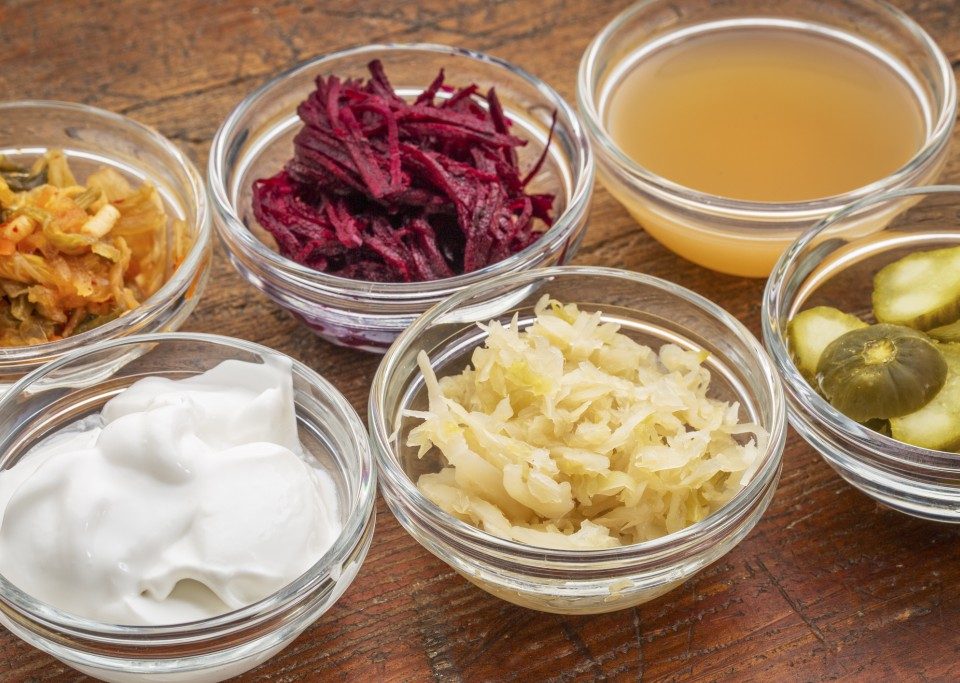
Where delicious meets nutritious. Long before fermented foods became a wellness trend, they were simply part of life in my family’s kitchen. When I was a teenager in the Philippines, my mother and I made atchara together—a sweet-and-sour relish traditionally made with green, unripe papaya and colorful vegetables. We would grate the papaya into long, thin strips, add carrots and other vegetables for color and crunch, and prepare a tangy mixture with vinegar, ginger, garlic, and a little sweetness. I can still remember working beside her in the kitchen. We made sweet and salty pickled cucumbers, too. And because German […]READ MORE
March 4, 2014
Published by Life Extension
An article published online on February 19, 2014 in the Journal of Nutrition reveals the finding of French researchers of a reduction in the risk of prostate cancer
March 4, 2014
Published by Life Extension
The Food and Drug Administration has known for years that people who read nutrition labels eat healthier than those who do not. But the FDA only last year discovered this: One of the main reasons people don’t read labels on food packaging is that they’re confusing – and many of those consumers are the ones fighting weight problems. So we applaud the FDA’s first update to nutrition labeling in two decades. The changes, announced Thursday, make serving sizes better reflect what consumers actually eat, not some ideal or arbitrary serving. They also add a line for the amount of manufactured sugars added to foods, important […]
February 25, 2014
Published by Barbara Weller
The word cannabis stirs a lot of emotion in people today — some positive and plenty negative. But whatever your beliefs are, one thing is for sure: There are definitely health benefits to these plants. Despite all the legal issues and controversy surrounding cannabis, we decided to look at the heart health benefits of hemp seeds. Needless to say, we were pleasantly surprised. Interested in what we found? Then let’s dive in. Hemp Oil Contains Omega-3s, Sterols, and Oleic Acid In a recent study, Spanish researchers analyzed the chemical composition of hemp seed oil and found a mix of heart-healthy compounds. […]
February 25, 2014
Published by Life Extension
Toxic chemicals found at high concentrations in fried and grilled meats may raise the risk of diabetes and dementia, researchers say. US scientists found that rodents raised on a Western-style diet rich in compounds called glycotoxins showed early signs of diabetes, along with brain changes and symptoms that are seen in Alzheimer’s disease. The findings matched what the researchers saw in a small number of older people, where those with higher levels of glycotoxins in their circulation had memory and other cognitive problems, and signs of insulin resistance, which precedes diabetes. The results are tentative, but if confirmed by other […]
February 18, 2014
Published by Life Extension
A presentation at the American Academy of Neurology’s 66th Annual Meeting, held in Philadelphia from April 26 to May 3, 2014, revealed a protective effect for high plasma levels of vitamin C against the risk of hemorrhagic stroke. Hemorrhagic stroke is characterized by bleeding in the brain and, although less common than ischemic stroke, is associated with a greater risk of mortality. “Scurvy is caused by vitamin C deficiency, specifically a plasma vitamin C concentration of less than 11 micromoles per liter, and may have hemorrhagic manifestations,” write authors Stéphane Vannier, MD, of Pontchaillou University Hospital in Rennes, France and colleagues. […]
February 18, 2014
Published by Dr. Mark Rosenberg
Some of the most common health issues my patients face today are weight control, high blood pressure, and high cholesterol. Did you know that the three of them are related? Yes, they are. They belong to a group of metabolic disorders called “metabolic syndrome” and can put you at risk for developing heart and other diseases!
February 18, 2014
Published by Dr. Mark Rosenberg
I’ve mentioned to you a few times how your heart and brain health are connected and that what’s good health practices for one benefits the other. That’s why, as a cardiologist, I also look for new research that benefits the brain as well as the heart. Recently, I came across some new research about Vitamin E that I’d like to pass on to you as it is especially helpful in protecting your memory. And the positive side effect is that it also benefits your heart! Is Your Memory Getting The Full Benefit of Vitamin E? You may not know this, but […]
February 11, 2014
Published by Amy Sawelson Landes
In Cooked, author and activist Michael Pollan explores the previously uncharted territory of his own kitchen. Here, he discovers the enduring power of the four classical elements—fire, water, air, and earth—to transform the stuff of nature into delicious things to eat and drink. Each section of Cooked tracks Pollan’s effort to master a single classic recipe using one of the four elements. Apprenticing himself to a succession of culinary masters, Pollan learns how to grill with fire, cook with liquid, bake bread, and ferment everything from cheese to beer. Cooking—of whatever kind, everyday or extreme—situates us in the world […]
February 4, 2014
Published by Amy Sawelson Landes
In his devastating expose, The Hundred-Year Lie: How to Protect Yourself from the Chemicals That Are Destroying Your Health, investigative journalist Randall Fitzgerald warns how thousands of man-made chemicals in our food, water medicine, and environment are making humans the most polluted species on the planet. The Hundred-Year Lie began in 1906, when the U.S. Congress enacted the Pure Food and Drug Act, a law that gave Americans the illusion of food and drug safety. Germs were identified as Public Enemy Number One, and synthetic chemicals in food and medicine were hailed as the cure for this germ threat. “Better […]
February 4, 2014
Published by Life Extension
There’s increasing evidence that caffeine can be good for you. A mild stimulant that works on the central nervous system, caffeine is something most of us use to “get going in the morning,” said Marcie Prachyl, a dietitian at Hendrick Medical Center. The popular substance — an estimated 90 percent of Americans consume it daily — has been linked to benefits such as potentially minimizing cognitive decline associated with aging, including the risk of Alzheimer’s disease, Prachyl said. “It makes them more alert and improves their quality of life if they continue to drink it,” she said of older consumers […]
February 4, 2014
Published by Life Extension
The February 2014 issue of the journal Nutrition Research described the outcome of a trial conducted by Iranian researchers which revealed a benefit for cinnamon in men and women with nonalcoholic fatty liver disease (NAFLD). Nonalcoholic fatty liver disease includes steatosis, nonalcoholic steatohepatitis (NASH), fibrosis, cirrhosis and hepatocellular carcinoma, and can result in death if left untreated. The trial included fifty men and women between the ages of 20 and 65 years with NAFLD. Participants were randomized to receive two 750 milligram capsules of cinnamon or a placebo daily for twelve weeks. Blood samples collected before and after the treatment period were analyzed for […]
January 28, 2014
Published by Dr. Mark Rosenberg
The greatest gift you have as a human being is your intelligence… your “brain power.” Your ability to reason, to solve problems and, most important, to remember – is what makes you the individual that you are.
January 21, 2014
Published by eileen_shaw
Block Center Takes Integrative Approach to Cancer The Block Center for Integrative Cancer Treatment and Optimal Health has been helping their patients find wellness for over 30 years. Based in Skokie, Illinois, the Block Center uses a many-pronged approach to healing. One of the cornerstones of their treatment approach is their Nutrition Program. Each patient gets a customized Nutrition Guide based on his/her specific health status and personal goals. Patients are also encouraged to adopt a regimen of taking vitamins, minerals, and herbal supplements. They are given techniques for body conditioning and stress relief. They are given psychosocial support. And, […]