
 Health
Fermented Foods: From Tradition to Trend
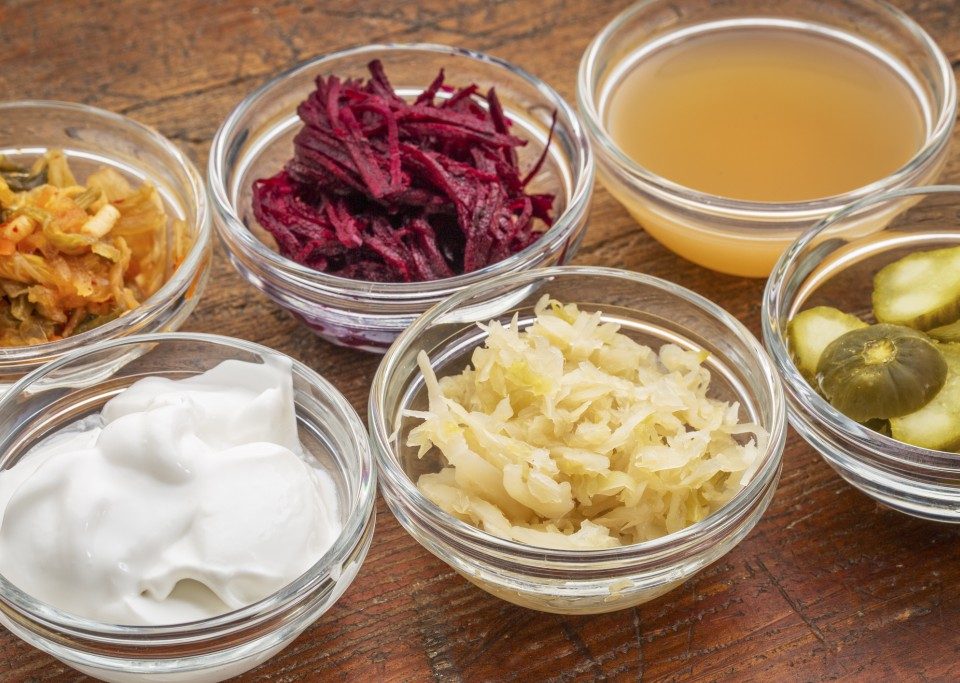
Where delicious meets nutritious. Long before fermented foods became a wellness trend, they were simply part of life in my family’s kitchen. When I was a teenager in the Philippines, my mother and I made atchara together—a sweet-and-sour relish traditionally made with green, unripe papaya and colorful vegetables. We would grate the papaya into long, thin strips, add carrots and other vegetables for color and crunch, and prepare a tangy mixture with vinegar, ginger, garlic, and a little sweetness. I can still remember working beside her in the kitchen. We made sweet and salty pickled cucumbers, too. And because German […]READ MORE
March 10, 2015
Published by Life Extension
Scientific opinion has flip-flopped on the issue of alcohol consumption. While various religious groups – some of them known for their health and longevity – prohibit its use, other people are convinced of the benefits of alcohol, especially when it comes to wine. The “French Paradox” has become a cliché in regard to the relative healthiness and low risk of cardiovascular disease experienced by a population that consumes a significant amount of fat but drinks wine in moderation. However, it may be wishful thinking to attribute the health of the French to wine alone, as there are other French lifestyle factors […]
March 3, 2015
Published by Life Extension
Citrus fruit is a well-established staple of the American diet. Even among those who tend to avoid fruits and vegetables, orange juice is often a favorite. As it turns out, Citrus fruit, aside from being delicious, is a bountiful source of important nutrients.
March 3, 2015
Published by Life Extension
A new study has revealed that nuts and peanuts help in reducing risk of death, especially from heart disease. While research has previously linked nut consumption with lower mortality, those studies focused mainly on higher-income, white populations. This study by Vanderbilt University and the Shanghai Cancer Institute was the first to discover that all races; blacks, whites, and Asians alike, could potentially increase heart health by eating nuts and peanuts. This study was based on three large on-going cohort studies. Participants included over 70,000 Americans of African and European descent from the Southern Community Cohort Study (SCCS), who were mostly low-income, and over 130,000 […]
February 24, 2015
Published by Dr. Mark Rosenberg
If you’re like me, you love your coffee. It gets you going in the morning, picks you up from a late afternoon slump and gives you that all needed early evening boost at the gym later. But, along with the rejuvenating effect of coffee, as a dermatologist, there’s an even more important reason I love coffee… Your Daily Joe Could Help Prevent This Deadly Cancer If you’re a coffee drinker, you probably don’t need another reason to keep drinking it. But, in the last few years, health researchers have reported many good reasons to drink coffee. They include: Antioxidant power. You may […]
February 24, 2015
Published by Life Extension
The pine tree is celebrated during the darkness of winter for its seemingly death-defying ability to remain green year-round. Its bark and needles have been used by indigenous people for centuries for nutrition and general wellness. As a matter of fact, an extract from the bark of the French maritime pine has been found to contain compounds that have year-round life-enhancing benefits. Let’s explore them. Pine Bark Extract Contains Disease-Fighting Proanthocyanidins Proanthocyanidins derived from pine bark have been associated with a variety of benefits, including DNA protection, reduction of inflammation, decreased oxidative stress and reduced glycation. Aside from these broad benefits, pine bark […]
February 17, 2015
Published by CeliAct
Breakfast options just got a whole lot more exciting! General Mills announced yesterday that beginning this July, five Cheerios products will be going gluten-free: Original Cheerios, Honey Nut, Multi-Grain, Apple Cinnamon and Frosted. This decision is said by General Mills to be years in the making and a reaction to as much as 30% of Americans avoiding gluten in their diets. What grains are Cheerios made from, anyway? How will they be made now? And why did it take General Mills three years to make this change? We’ve got the scoop for you as well as an awesome video from […]
February 17, 2015
Published by Life Extension
It’s often alleged that Colorado sees 300 days of sunshine every year. While some will nitpick that number, we all know there is a splendid amount of sunshine in our beloved Centennial State. But there’s a steep price to pay for all of that sunshine, including skin cancer and skin aging. The UVA and UVB rays are to blame, as they can cause the formation of free radicals, a term used to describe damaged cells that can be problematic. “Sun is good,” said Judy Spindler, a nutrition health coach at Natural Grocers. “We need it for hormones and to feel well, but it […]
February 9, 2015
Published by FoodTrients
Food additives are substances that become part of a food product when they are added during the processing or making of that food. They are added in an effort to keep products fresh, increase the amount of nutrients and make the food more appealing.
February 9, 2015
Published by Life Extension
Vitamin “A” may protect children against the mosquitoborne malaria parasite, a study said. “Our research found that children who received vitamin “A” supplementation were less likely to become infected with malaria,” said study leader MariaGraciela HollmDelgado, postdoctoral fellow at Johns Hopkins Bloomberg School of Public Health, Khaleej times reported. Vitamin “A” appeared to be more protective under certain circumstances, including when administered during the rainy season, as well as when given to older children and when more time had passed since supplementation. The researchers were looking for possible links between malaria rates and several types of childhood vaccines as well as […]
February 3, 2015
Published by Life Extension
An abundance of clinical data has established pomegranate as a broad-spectrum, multi-modal defense against the leading causes of death in the Western world, from atherosclerosis to cancer and diabetes. In the last decade alone, more than seven times as many studies have been published validating pomegranate than in all the preceding years combined. The bulk of this research has focused on the benefits of pomegranate juice and fruit extracts. Now scientists are discovering a novel source of pomegranate’s myriad benefits: the various botanical components of the pomegranate tree, particularly its seeds and flowers. The latest scientific evidence indicates that pomegranate flower extract and seed oil uniquely complement conventional pomegranate fruit extract’s capacity to […]
February 3, 2015
Published by Scrubs
You know you should drink more water, but those sugary drinks all aglow in the vending machine at 3 AM sure are tempting. Break the spell for good this year by arming yourself with any of these clever water concoctions—we promise they’re as good to your taste buds as they are to your body. To help you drink it all in (pun intended), we’ve gathered our top five easy, make-at-home infused waters, perfect for busy people who have decided to make 2015 their healthiest year yet. Just throw one of these mixes together in the evening (or in the morning—we […]
January 27, 2015
Published by Life Extension
Americans are committing to taking vitamins in 2015, according to a new survey conducted online by Harris Poll on behalf of the Council for Responsible Nutrition (CRN). The survey, conducted in December, asked more than 2,000 U.S. adults to select (all that apply of) health and wellness habits they are committing to in 2015, and “taking vitamins” made the top five (47 percent), along with drinking enough water (72 percent); eating healthy/healthier in general (66 percent); getting more physically active (62 percent); and getting more sleep (49 percent). With research pointing to a real life issue of nutrient shortfalls in Americans’ diets, […]
January 27, 2015
Published by Dr. Mark Rosenberg
It is always important to make sure my older patients are getting enough calcium and Vitamin D to protect against bone loss and osteoporosis. Post-menopausal women are at highest risk for osteoporosis. Recently, though, researchers out of Florida State University have added another nutrient which helps prevents bone loss even better. Let me tell you about it and how you can add it to your bone loss prevention regimen… New Supplement Adds Collagen to Calcium to Fight Bone Loss Calcium and Vitamin D are well known for working together to prevent bone loss. But, as good as they are, the […]