
 Health
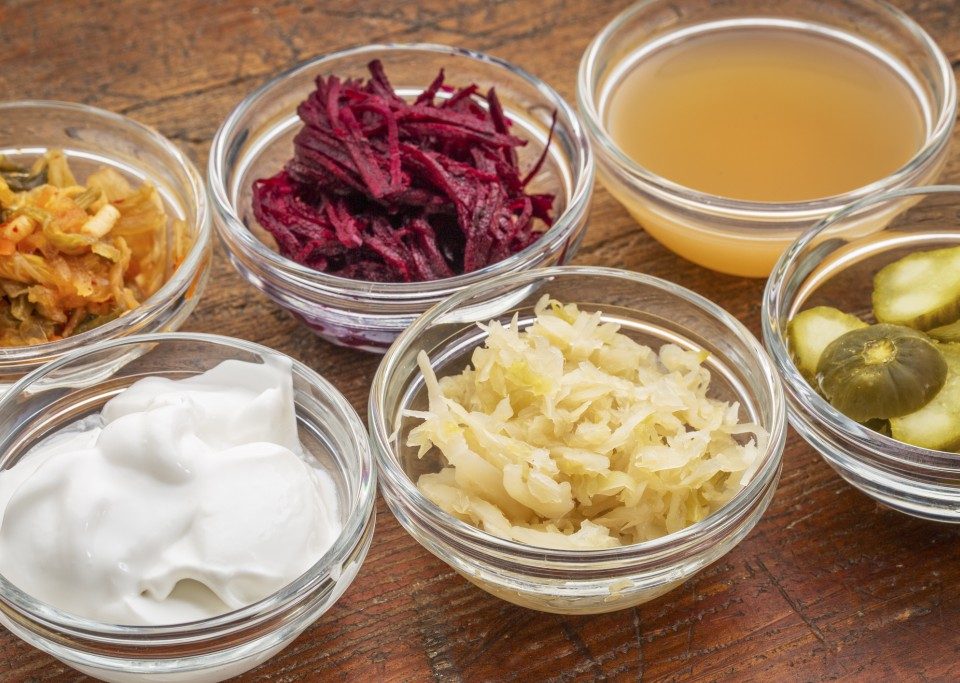
Fermented Foods: From Tradition to Trend
Where delicious meets nutritious. Long before fermented foods became a wellness trend, they were simply part of life in my family’s kitchen. When I was a teenager in the Philippines, my mother and I made atchara together—a sweet-and-sour relish traditionally made with green, unripe papaya and colorful vegetables. We would grate the papaya into long, thin strips, add carrots and other vegetables for color and crunch, and prepare a tangy mixture with vinegar, ginger, garlic, and a little sweetness. I can still remember working beside her in the kitchen. We made sweet and salty pickled cucumbers, too. And because German […]READ MORE
June 12, 2012
Published by Dr. Mark Rosenberg
Imagine you sit down to eat your favorite dinner. You can remember how this meal used to make your mouth water… how you couldn’t wait to take the first bite. But now, you’re dreading the first bite because you know it’s not going to taste like you remember. It’s not going to taste like it’s supposed to. Millions of people live with “taste dysfunction”. Some people with taste disorders lose their sense of taste entirely, but this is rare. For most people, a taste disorder distorts tastes or it affects some types of tastes, like sweet or salty, but not […]
May 21, 2012
Published by Life Extension
With summer on the horizon, Golden Isles residents and visitors will begin flocking to the beaches. As the sun moves more directly overhead and the ultraviolet index rises, the use of sunscreen becomes even more important. Most people know that overexposure to the sun’s powerful ultraviolet rays is damaging, but too many still aren’t doing enough to protect themselves. Approximately one in five people will develop some sort of skin cancer in their lifetime, and area residents need to take precautions seriously. “Everyone should care about skin cancer in the area, as we are exposed to a higher amount of […]
May 4, 2012
Published by Life Extension
You may be surprised to learn that until 2002, no standard definition for chronic kidney disease (CKD) existed within the medical community (Medscape, 2010). Before then, conflicting classifications had created a state of confusion as to how many Americans were afflicted with this progressive, life-threatening condition. Once proper categorization of the various phases of CKD was established, the stark and daunting scale of this modern epidemic emerged. We now know that as many as 26 million Americans currently suffer from some form of chronic kidney disease (US Renal Data System 2009; National Kidney Foundation 2009). Aging individuals are especially vulnerable […]
May 4, 2012
Published by Life Extension
WALNUT CREEK, Calif. – James Revier, of San Jose, Calif., had no idea his heartburn was anything more than a nuisance until six years ago, when a piece of beef became logged in his esophagus and sent him to the emergency room. The on-call internist removed the meat and suggested Revier see a gastroenterologist for the lingering redness. It’s a good thing he did. Revier had developed Barrett’s esophagus, a condition caused by prolonged acid reflux. Over time, it produces cellular changes which can lead to adenocarcinoma, a type of esophageal cancer. “I’d had acid reflux for 15 years but […]
April 13, 2012
Published by Dr. Mark Rosenberg
I frequently discuss the latest vitamin research with my patients to ensure that they are getting the maximum daily allowance.
March 28, 2012

Published by Dr. Mark Rosenberg
Dear Health-Minded Reader, In the near future, your doctor may prescribe a new drug called Prasterone. It has some wonderful benefits: lowers your risk of cancer, beats depression, improves bone density, just to name a few. But the price tag will be in the neighborhood of $100 to $150 a month.
March 27, 2012
Published by Dr. Mark Rosenberg
I often have a discussion with my patients about the health of their colon. Why? Colon cancer is the third most common cancer diagnosed
March 7, 2012

Published by FoodTrients
For certain women, taking estrogen supplements for a few years close to menopause appears safe, and may reduce their risk of breast cancer, says a new study from the landmark Women’s Health Initiative (WHI). Those women include only the 30% of menopausal women who’ve had a hysterectomy, or surgery to remove the uterus.
February 13, 2012

Published by Life Extension
In an article published in Nutrition & Metabolism, researchers at Creighton University report that calcium supplementation is associated with a reduction in trunk fat gain and increased maintenance of trunk lean mass in postmenopausal women compared to those who received placebos.* Trunk fat includes the abdominal fat mass that becomes increasingly difficult to control as humans age.
February 8, 2012

Published by Dr. Mark Rosenberg
As you know, with age comes a growing number of health concerns.It’s not a bad thing to focus on taking care of
January 15, 2012

Published by FoodTrients
An article published online on December 22, 2010 in the Journal of Internal Medicine reveals that our own actions may be more important than inherited factors in dictating how long we live.
January 9, 2012

Published by FoodTrients
Can you add years to your life? If you want to extend life beyond the current lifespan of 70 years,
January 3, 2012

Published by Life Extension
A report published online in The Journal of Clinical Endocrinology & Metabolism reveals the finding of a trial conducted at